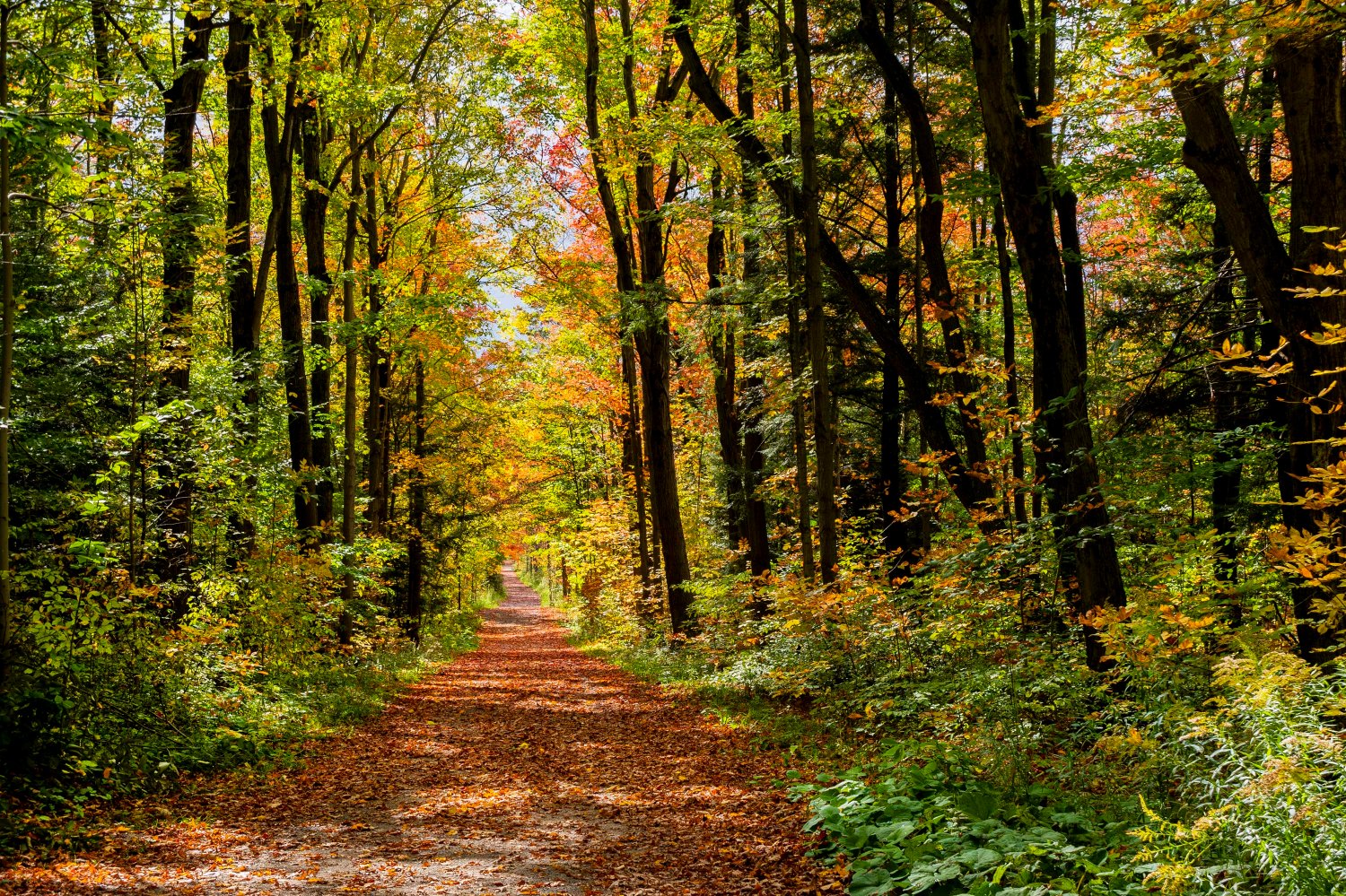

FALL COLOURS MEAN THE CLOCK IS TICKING ON THE YEAR, and that it’s time to enjoy green spaces before winter comes. In our family that means a Thanksgiving weekend trip on Parkbus to a destination an hour or three away from the city, and this year that meant Mountsberg Conservation Area in Halton County, midway between Guelph and Hamilton.
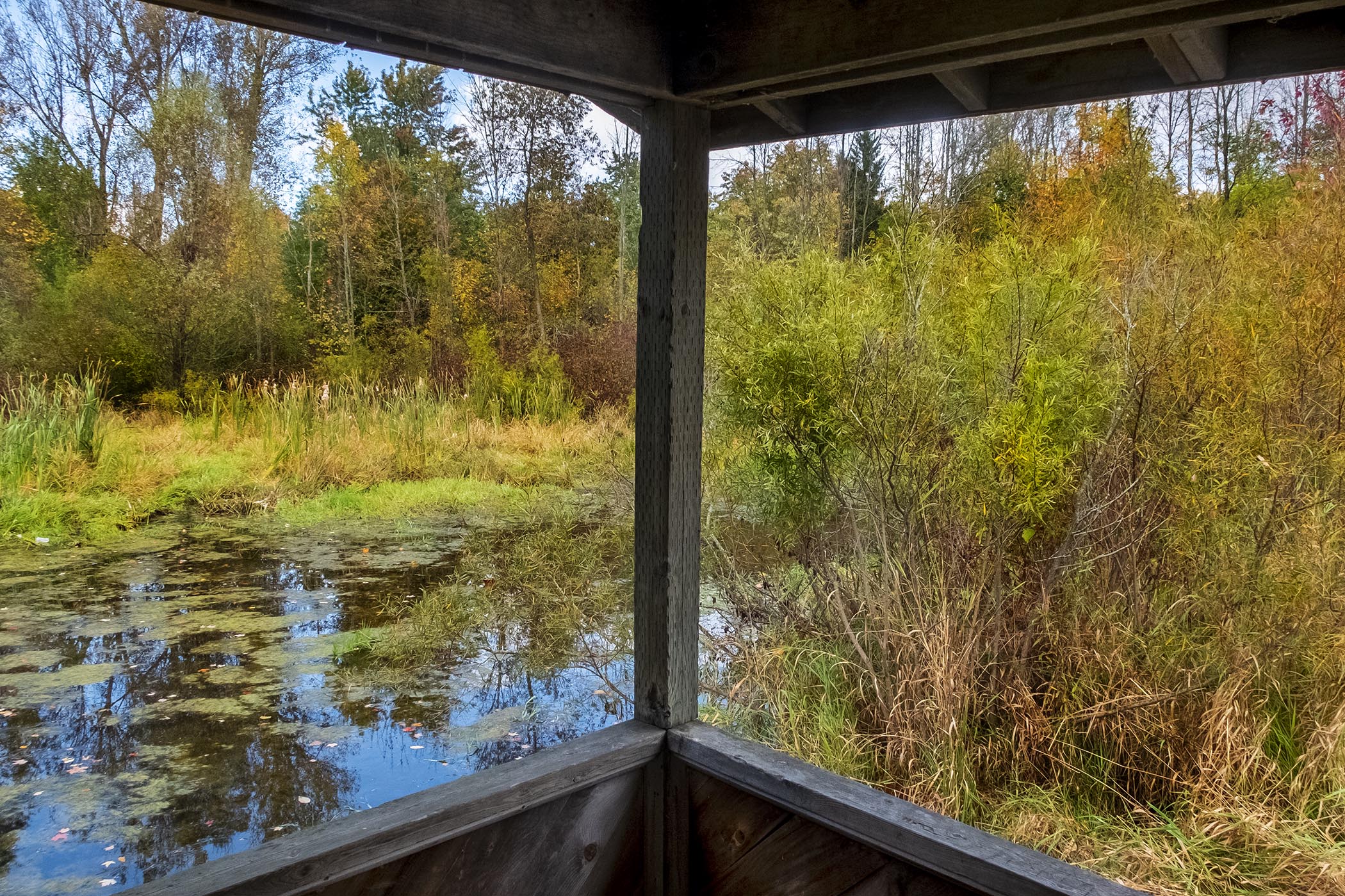
It’s a fully-featured park, located on the shore of a reservoir created by a dam on Bronte Creek. There are animals and a hiking trail and a visitor’s centre with a gift shop – there’s a lot to do at Mountsberg, and a lot to see even if you have a whole day. And if it has any iconic view, it’s this one: the viewing blind out over the water on the lower part of the reservoir, set up so visitors have the best chance to catch a glimpse or take a shot of the wildlife that’s made a home on the park’s wetlands.
The conservation area’s parkland began as the farms of Archibald Cameron and his sons Duncan and Donald. Duncan Cameron’s 1857 stone farmhouse is still there, just by the barn and the visitor’s centre, on the way to four of the five trails at Mountsberg. Before you reach those trails you’ll pass over the Galt subdivision line of the Canadian Pacific Railroad, which began as the Credit River Railway. It’s an active freight line, so pay attention when you make your way across.
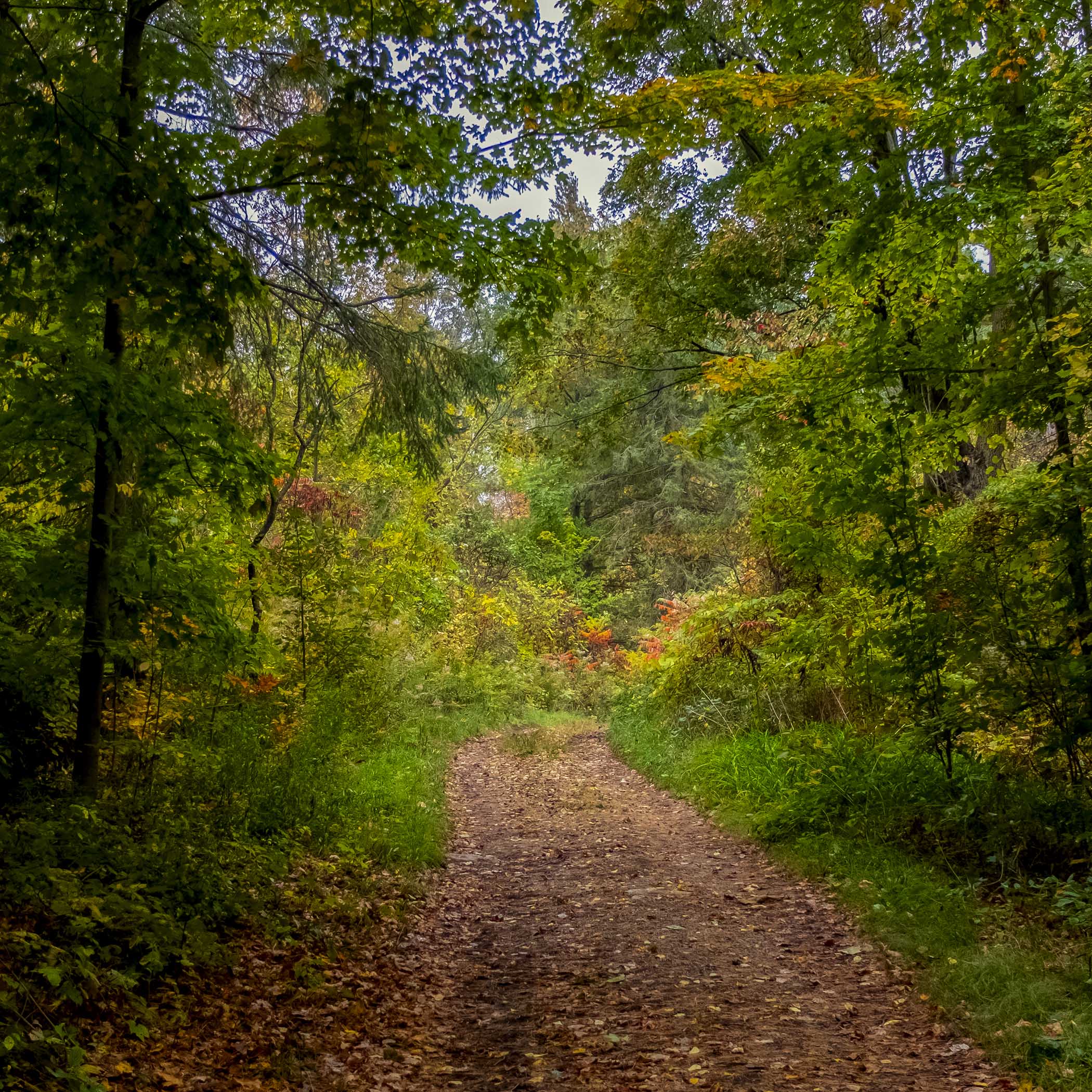

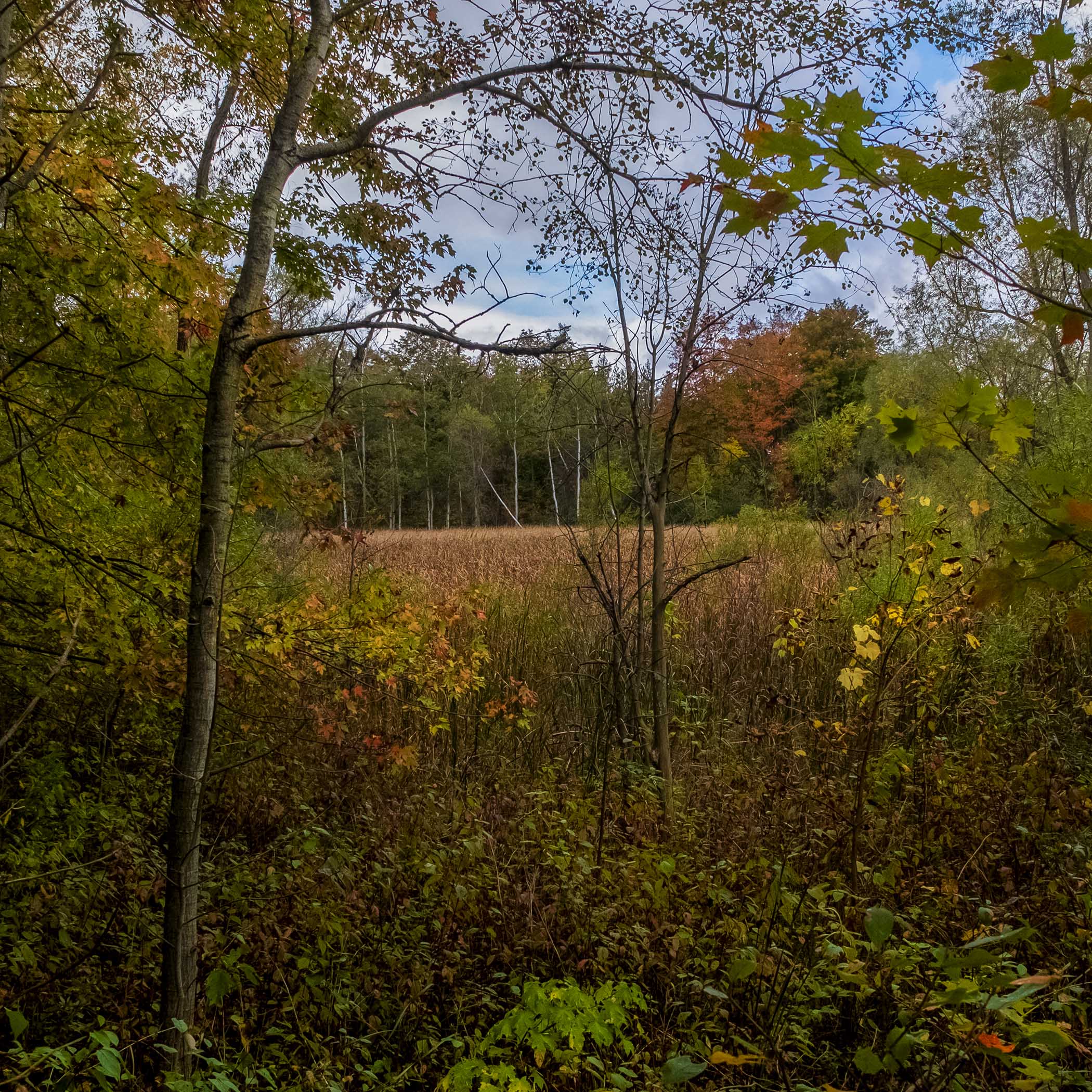
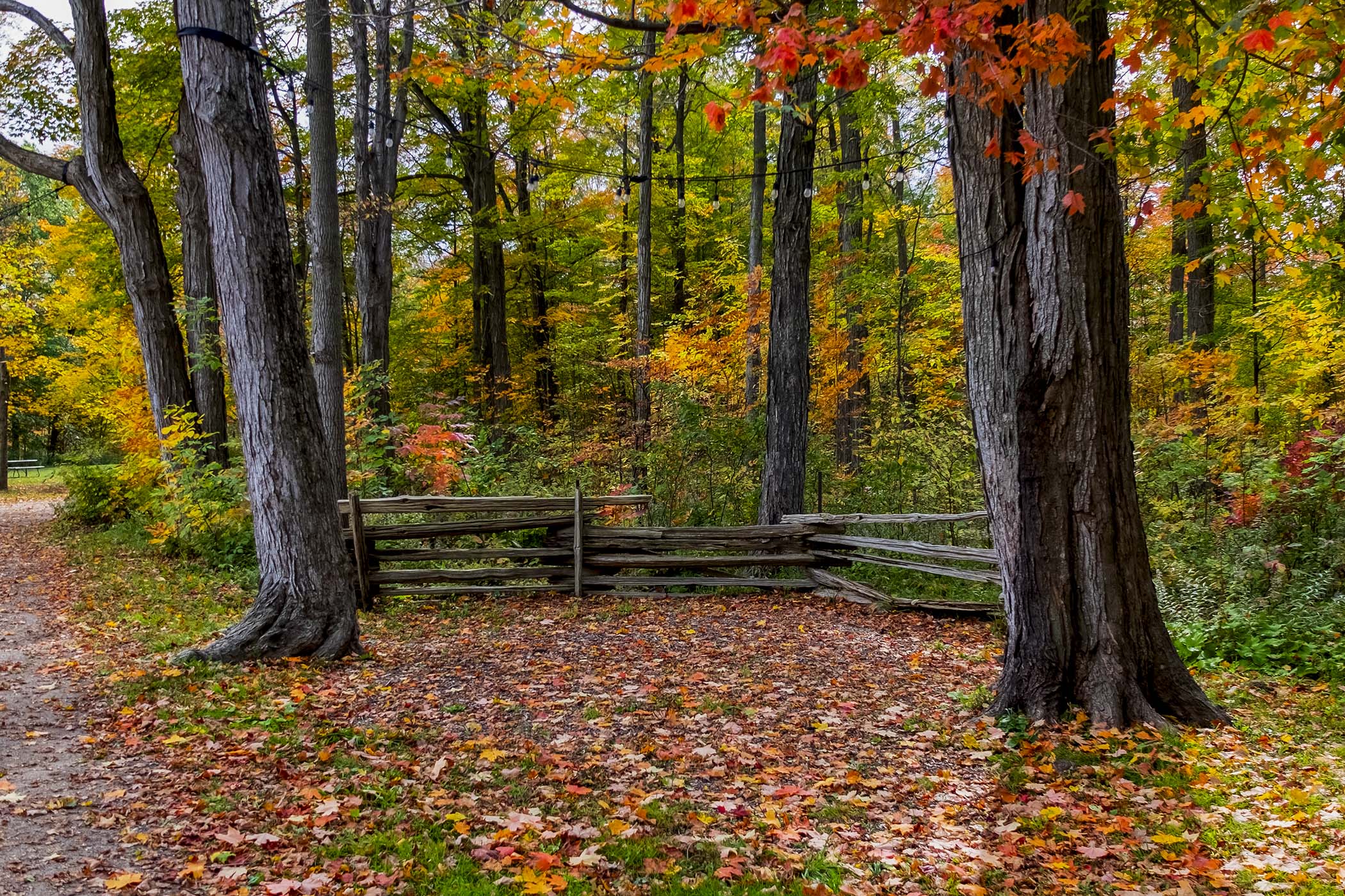
The farm was bought by the Halton Region Conservation Authority in 1964, who dammed Bronte Creek two years later and created the reservoir. (Fishing is allowed in the reservoir, but no swimming.) There’s almost no trace of the farmland today, which has been replaced by over a thousand acres of woods, water and wetlands.

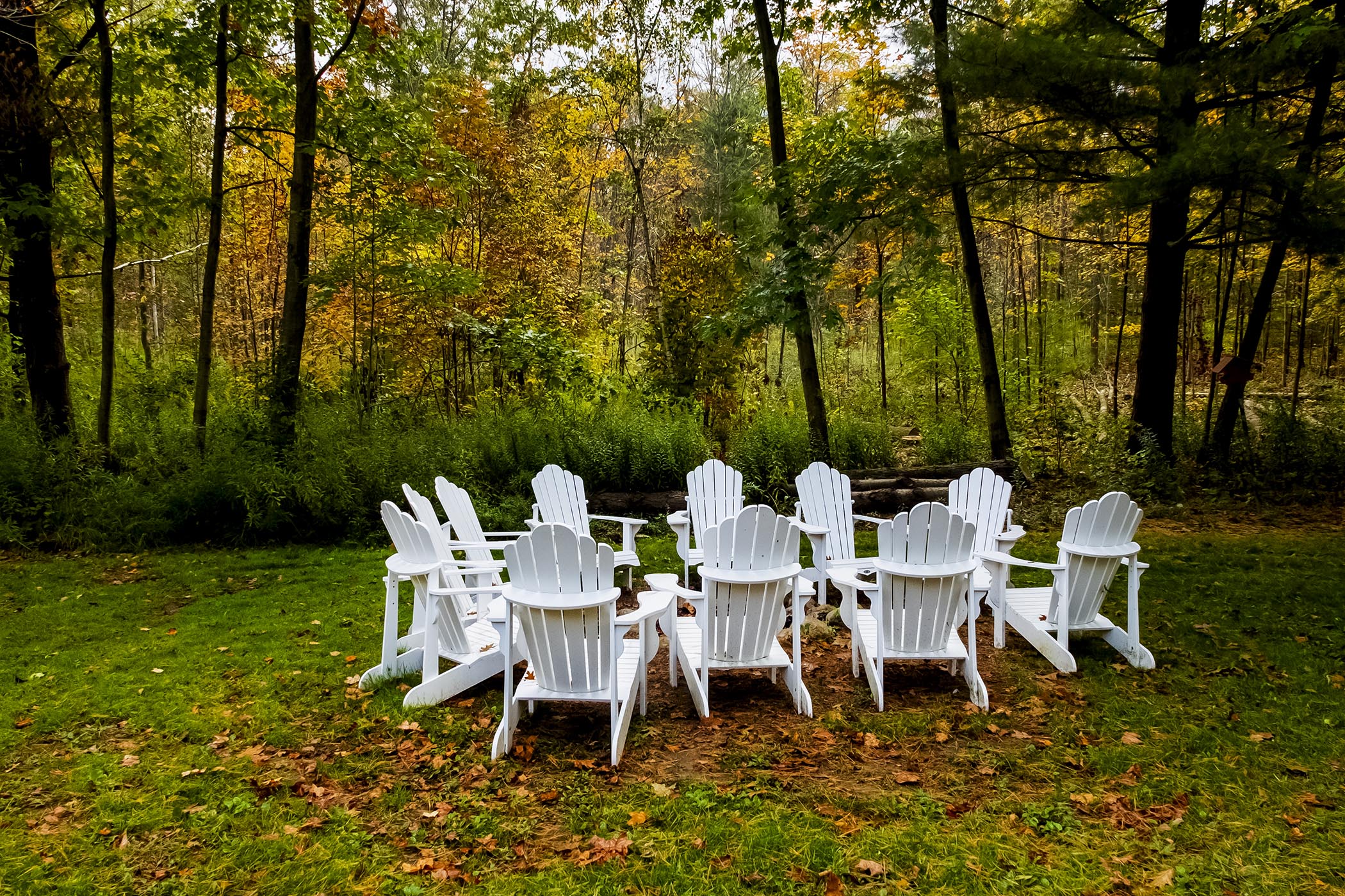
One of the few remnants of the Cameron family farm is a ring of stone just by the trailhead – the ruins of a lime kiln run by the family to make lime for construction materials and soap.

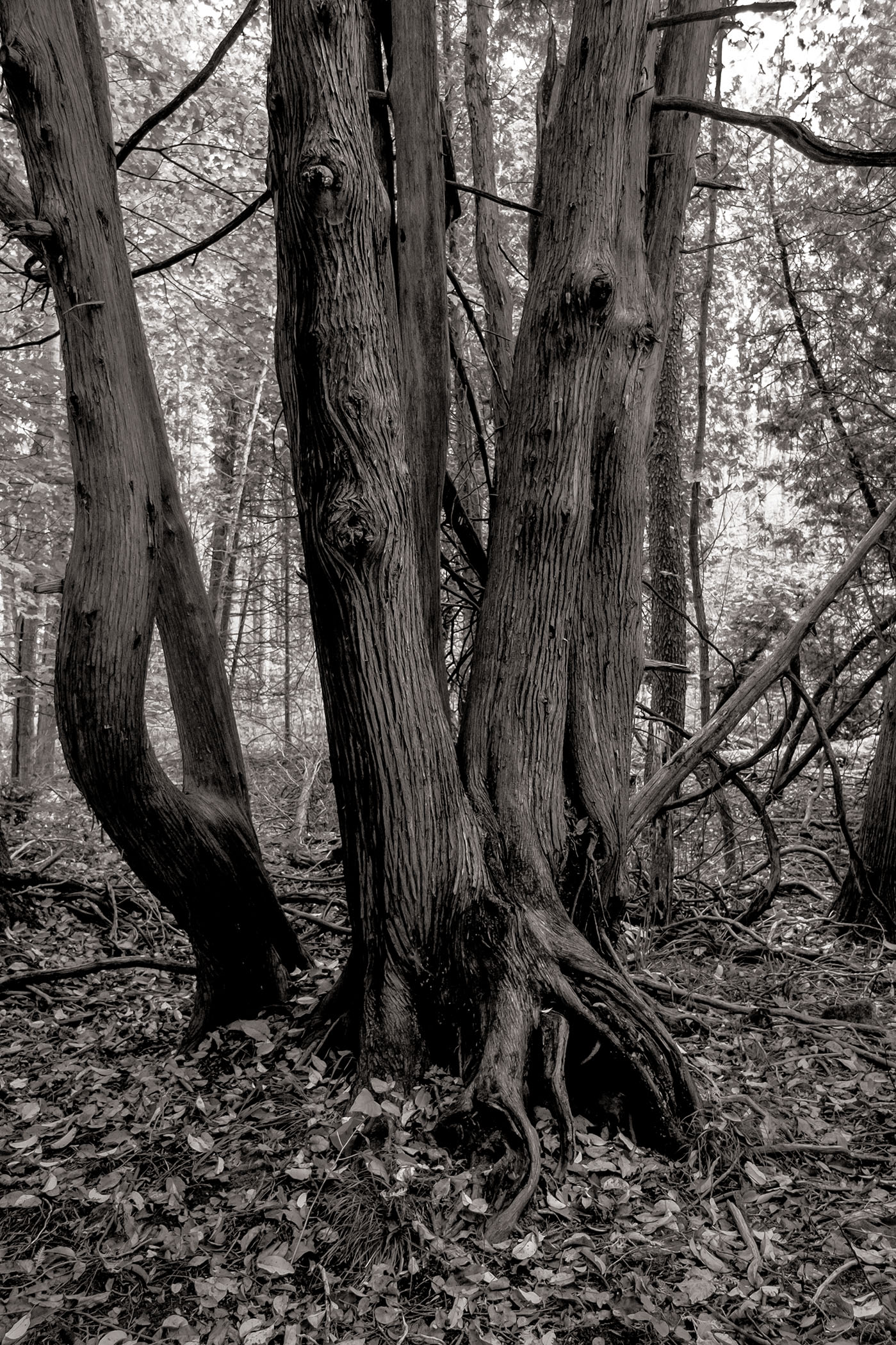
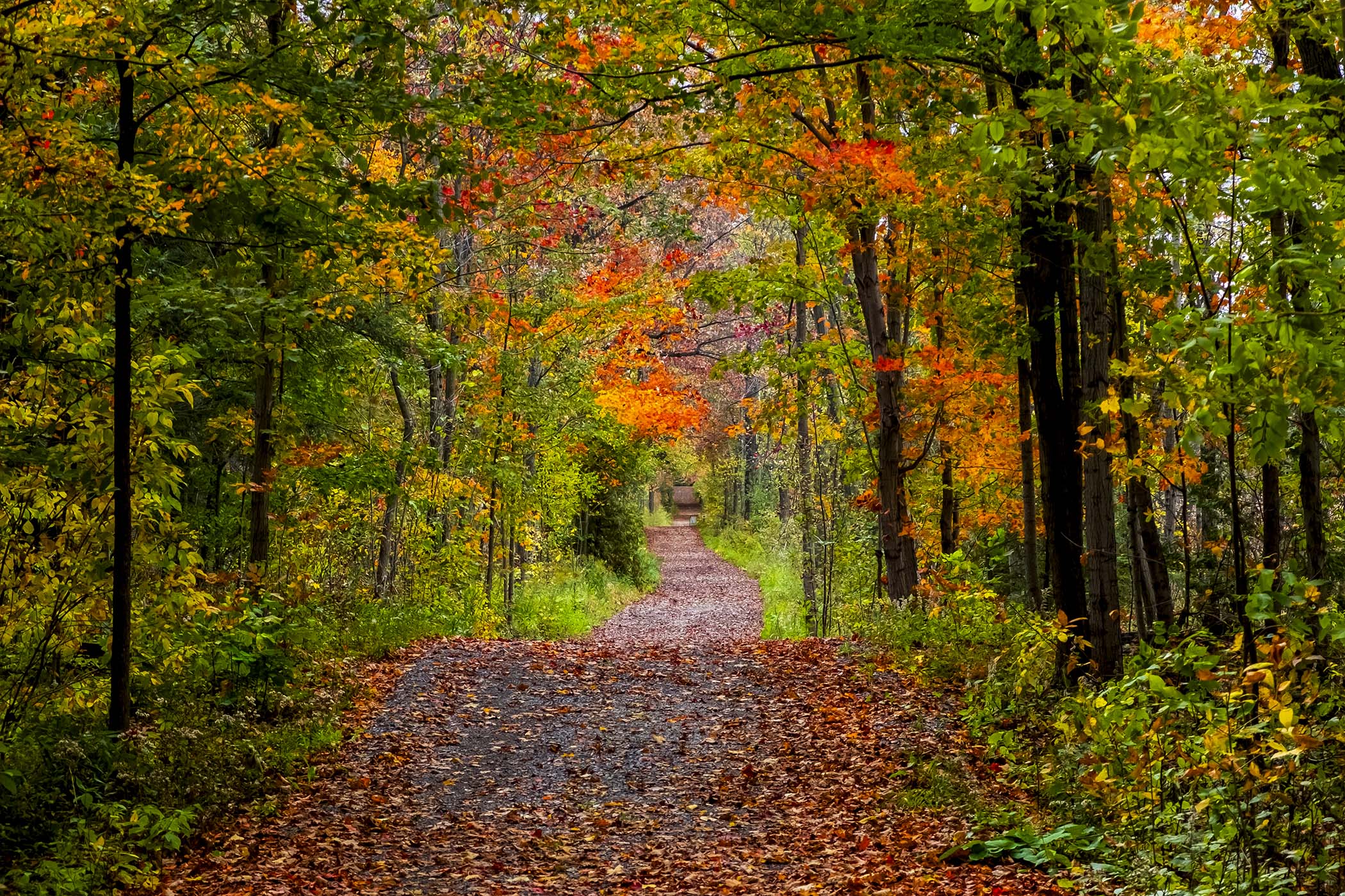
The forest that replaced the Cameron farms began in earnest in 1990 with a tree-planting program that has matured very nicely, filling the conservation area with woods that range from deciduous trees that were bursting into full fall colour when we were there to stands of evergreens that seem more stark and ancient by comparison.

A sugar shack complex of buildings also sit near the trailheads, which hosts a Maple Syrup festival in the spring when the sap is running in the sugar bush. If you explore all the trails you’re also likely to pass by stands of little houses for birds like starlings – evidence of how the acreage at Mountsberg is put to many uses.


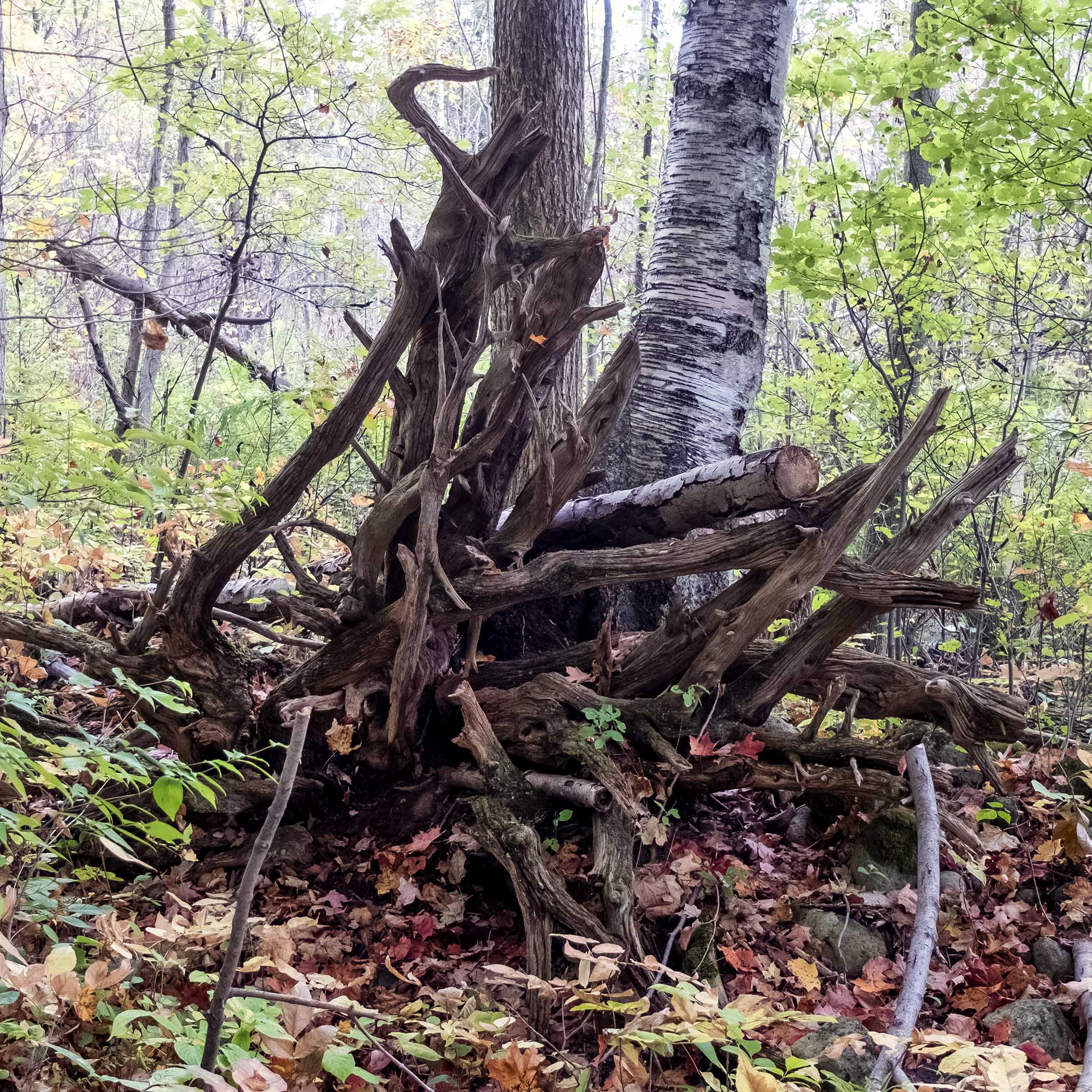

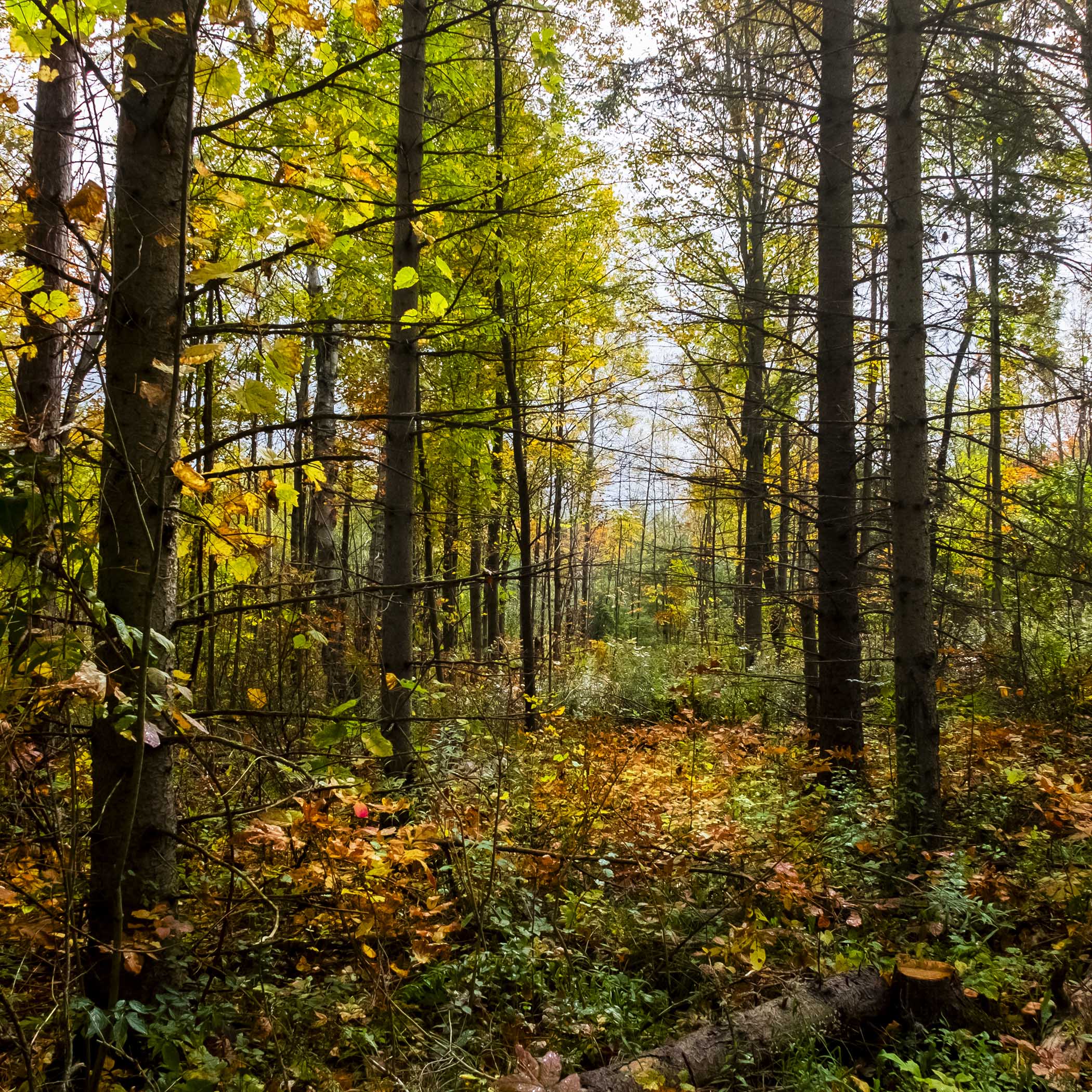

Almost all of the trails at Mountsberg are north of the CP tracks. The longest is the Pioneer Creek Trail (6.5 km) followed by the Lakeshore Lookout Trail (5.6 km), though part of the latter was closed on the day we were there. The shortest is the Sugar Bush Loop (1.5 km) and the Rabbit’s Run, which is a spur trail less than a kilometer long. They’re all gentle and level and none could be described as challenging.

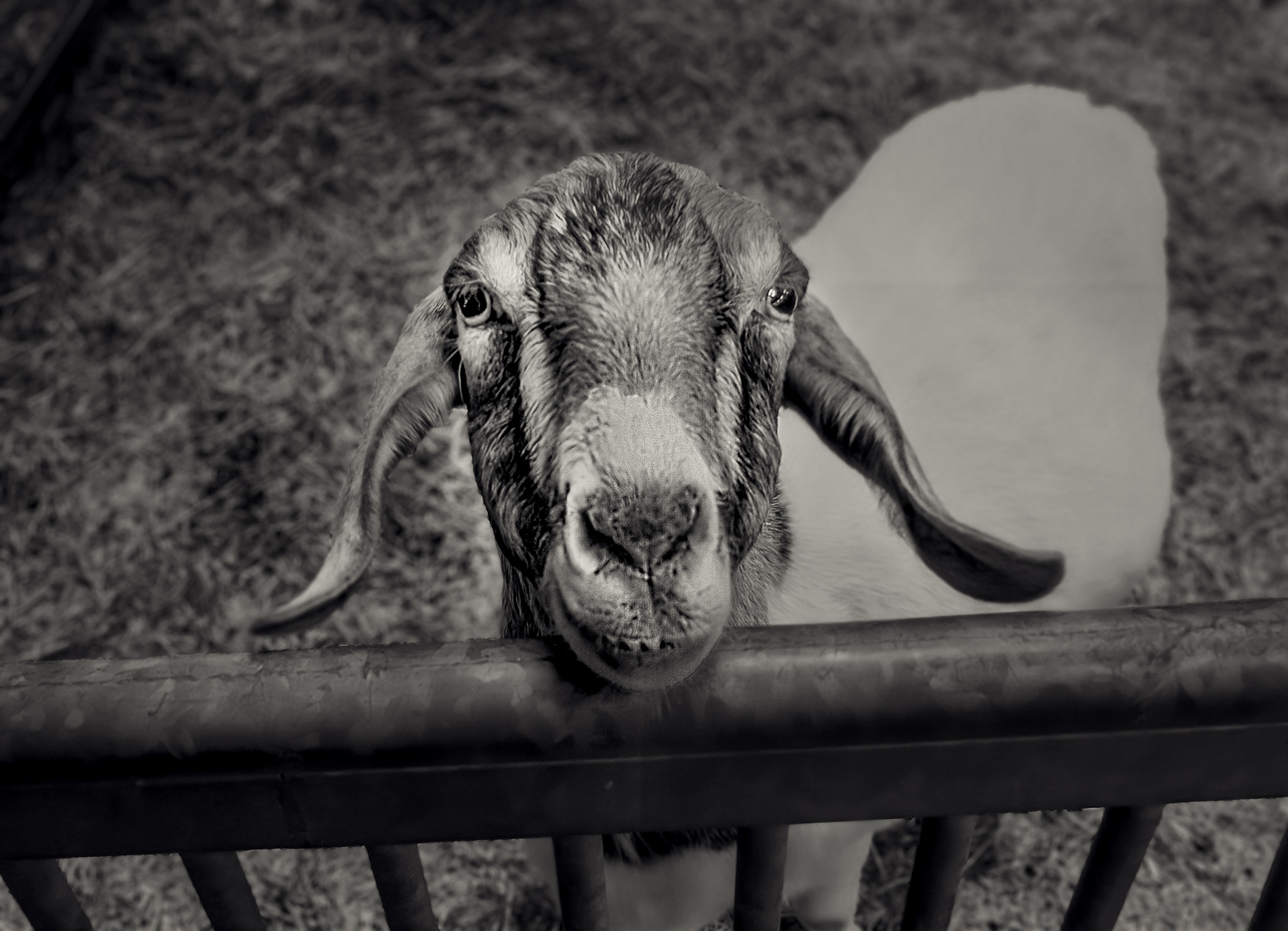
The barn and paddocks by the visitor’s centre are home to goats, donkeys and chickens and the team of Percherons that pull the wagons you’ll see running along the Pioneer Creek Trail on busy days and weekends at the conservation area. The draft horses are lovely and well-kept and easy to photograph close up with just a little patience.

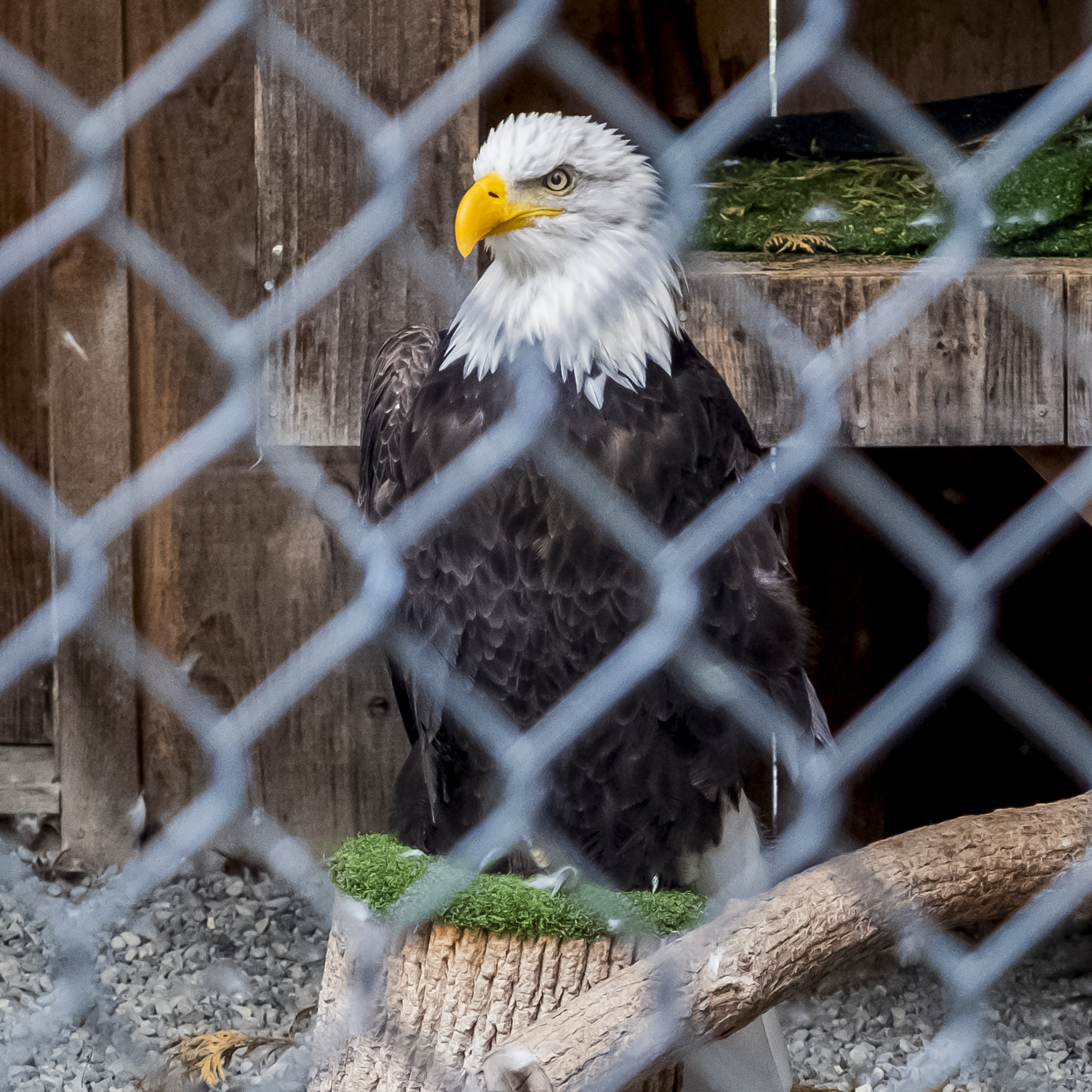
Mountsberg’s big attraction is its Raptor Centre, opened in 1994 and home to over a dozen birds of prey, most of them rescued or injured animals. There are hawks, falcons, vultures, owls and eagles and a show featuring the birds you can watch for an extra fee. There’s also a small herd of bison in an enclosure by the Wildlife Walkway trail that somehow made themselves invisible when we visited. All these attractions make Mountsberg one of the most family-friendly day trips within driving distance of Toronto.


The iconic lookout over the reservoir is on the Wildlife Walkway trail that goes by the Raptor Centre – the only trail on the southern end of the parkland. The trail is only 1.6 km long with the lookout just a short walk from the parking lot so you can make it your last stop of the day before you take the bus back to the city.

Photos and story © 2023 Rick McGinnis All Rights Reserved
 AWayWithACamera