

I LIKE TO JOKE THAT LOS ANGELES IS MY FAVORITE IMAGINARY PLACE. This is mostly because the city feels like a movie set, so much that you’re pleasantly surprised to find something still there when you return after a few months or years. This puts extra pressure on you when you’re tour guide for someone else visiting the city for the first time – you worry whenever you turn a corner that the thing you went out of your way to show them is still there.
This winter I got to be tour guide for my youngest child, who chose Los Angeles as their destination for a long-delayed graduation present, postponed by four years thanks to COVID lockdowns. They had their own list of things to see, but I got to add to our itinerary based on my own trips to the city, on travel and movie press junkets. We’d be all over the map so a hotel was booked by the airport, central to everything with the certain knowledge that everything in L.A. is at least a forty minute drive from anything else.

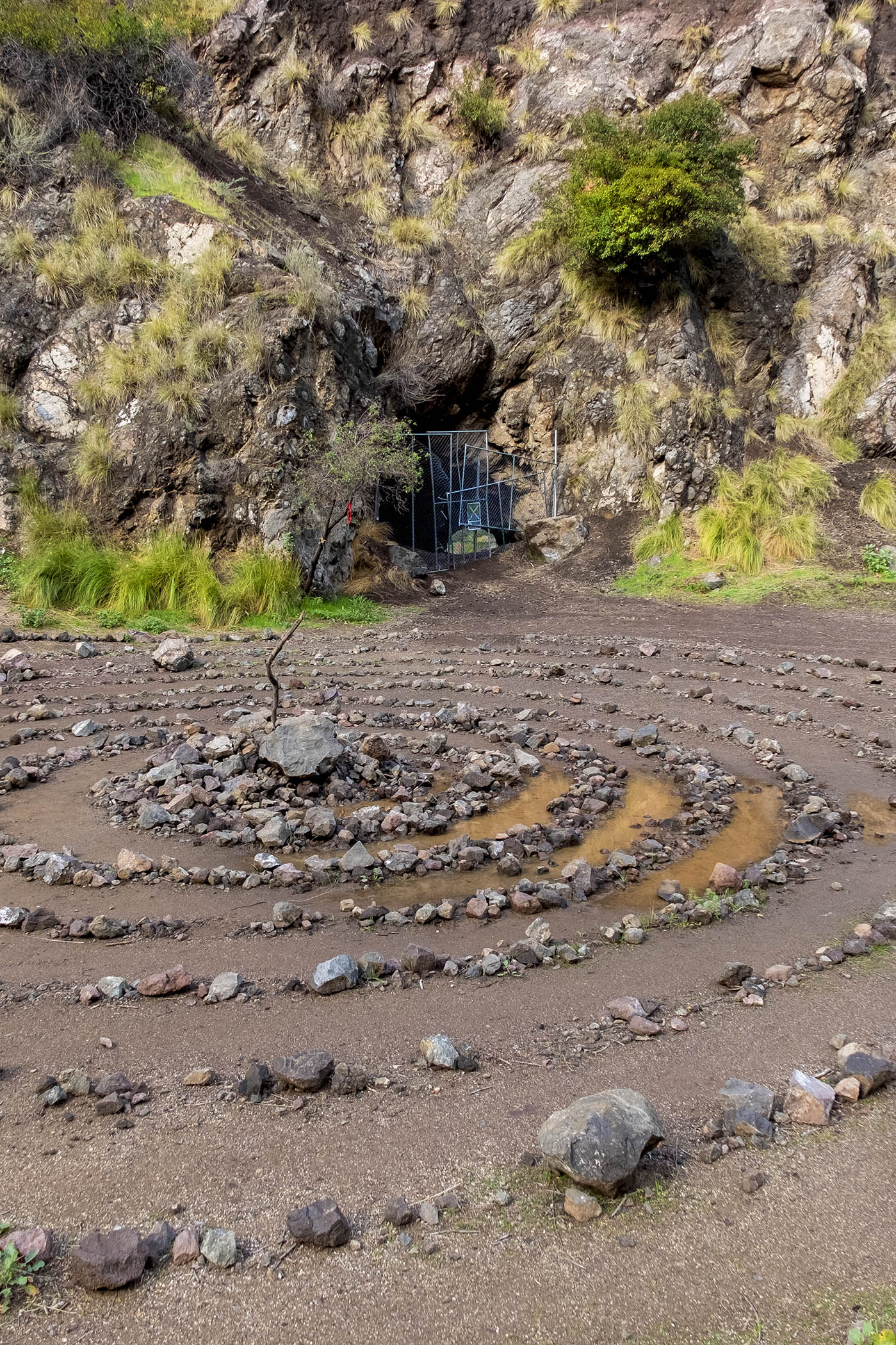
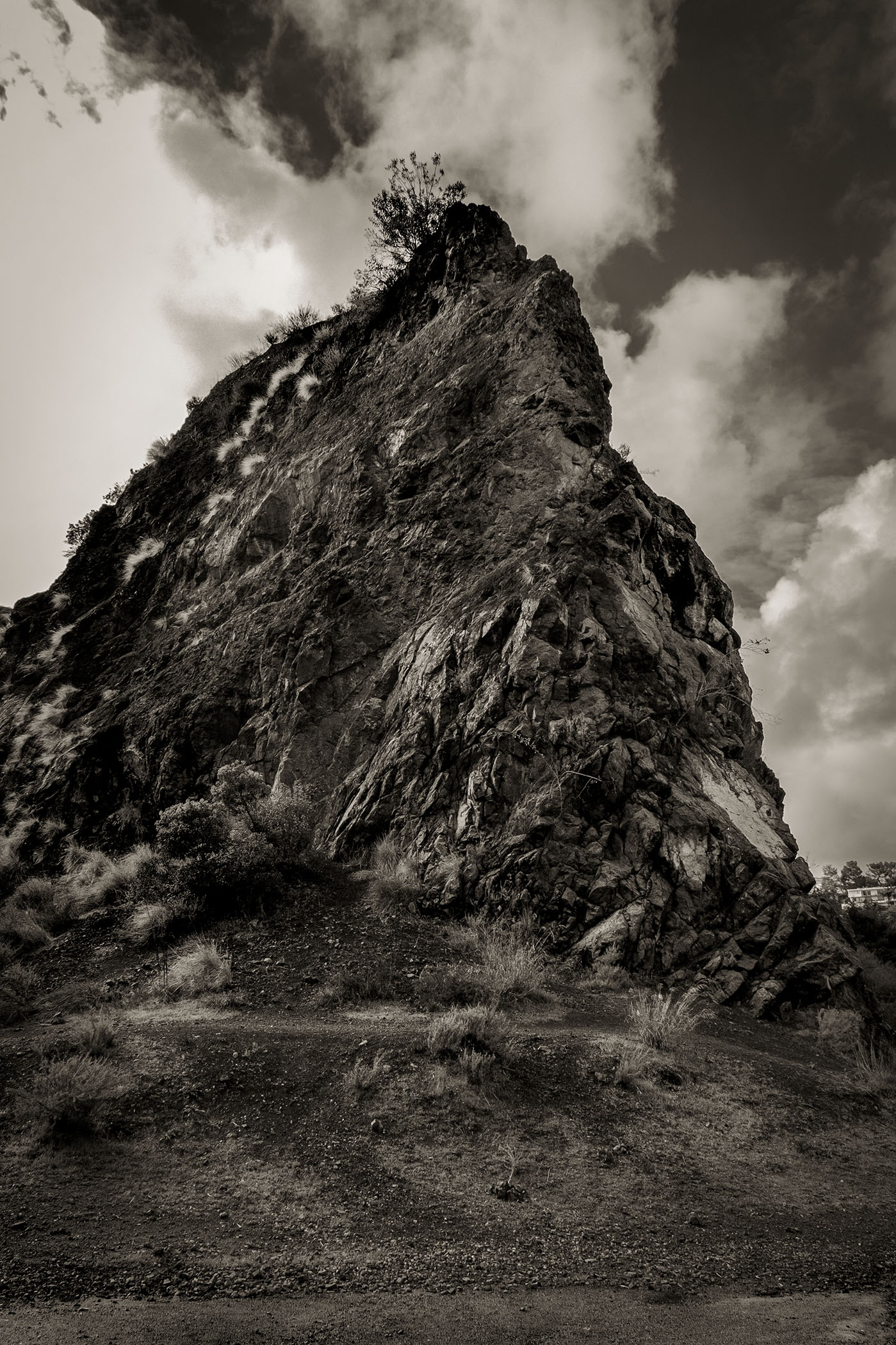
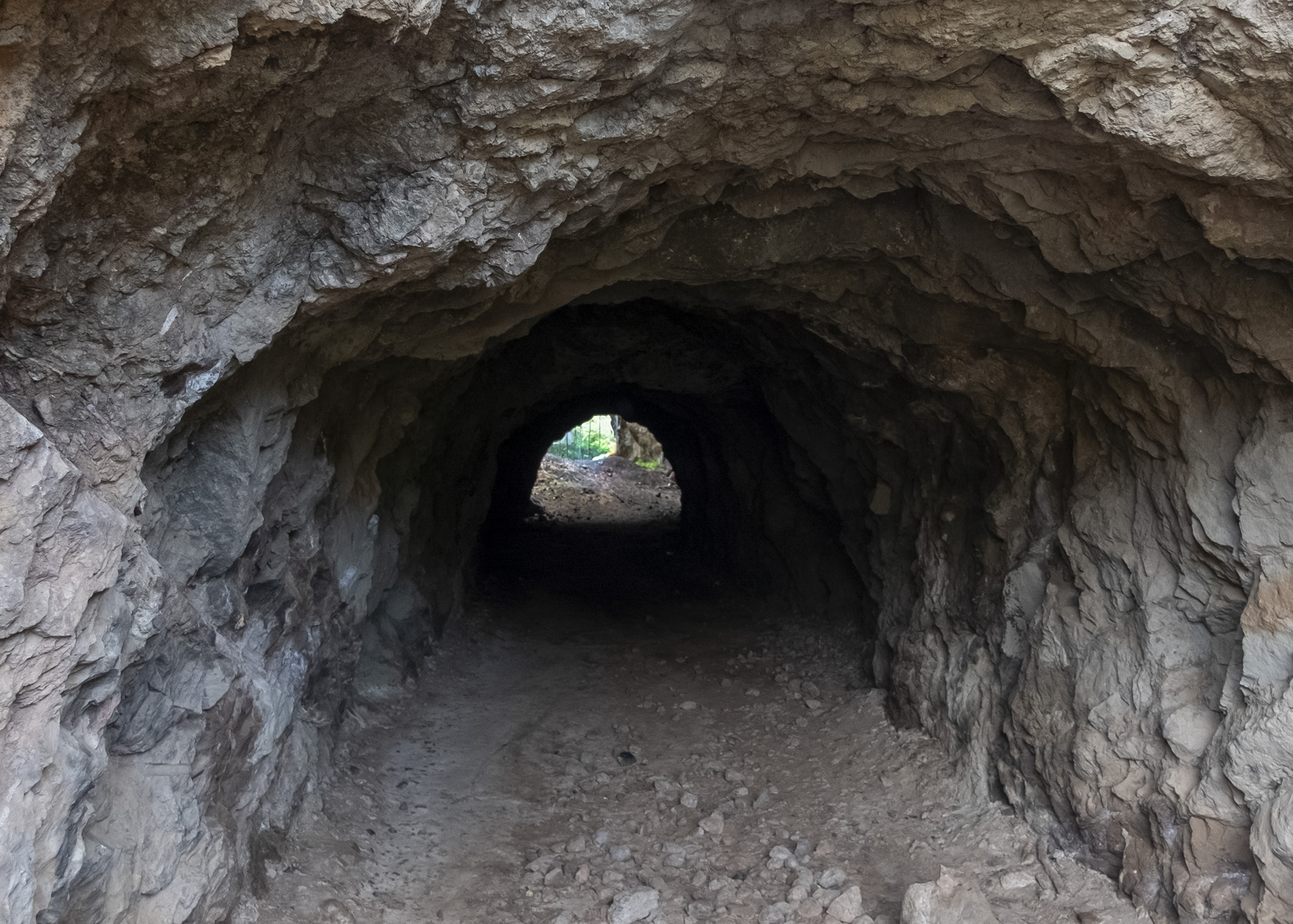
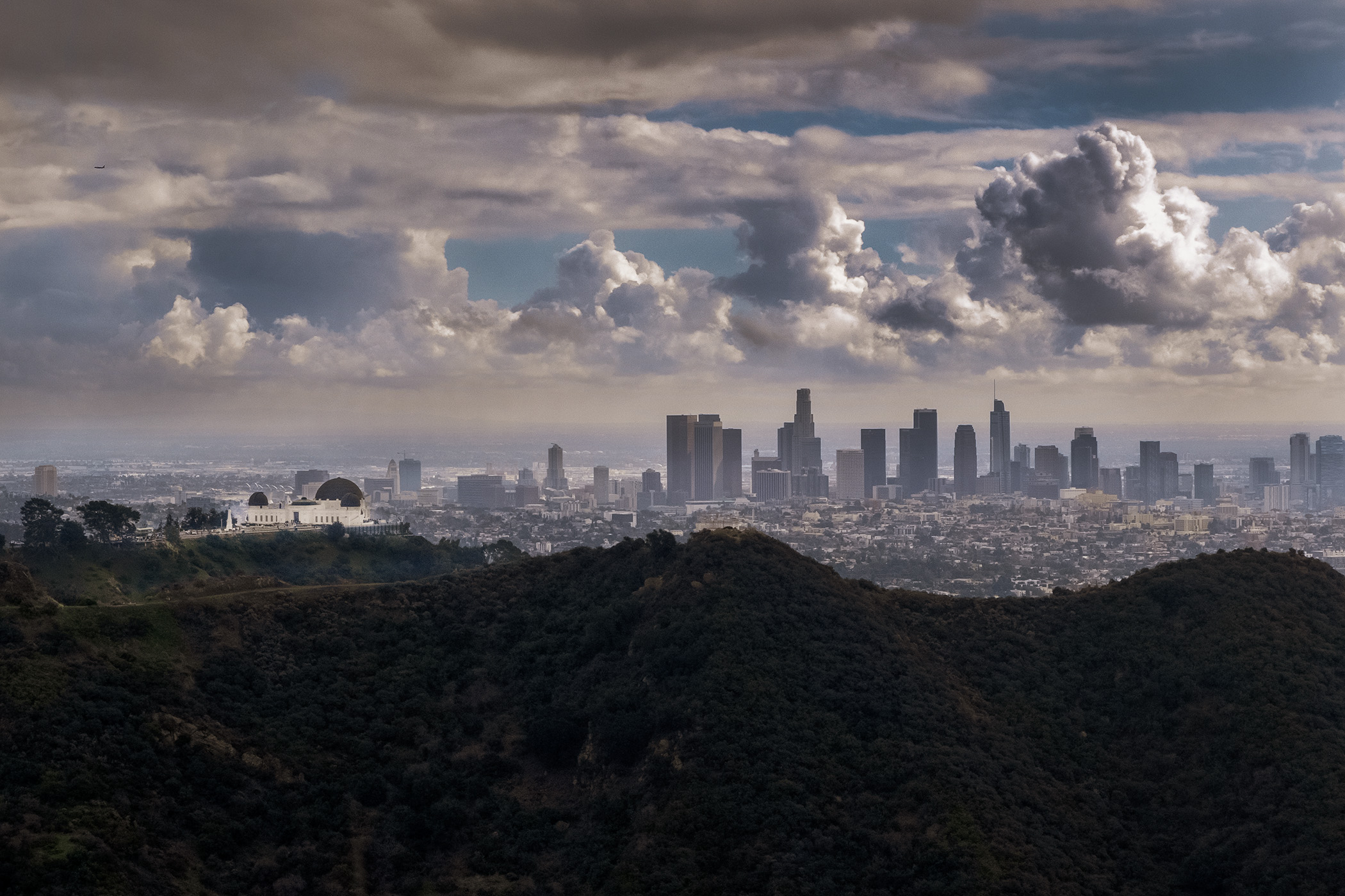
The trip started with a hike to a high place – the Hollywood Sign, on the top of Mount Lee. While I’d done the trek up the Brush Canyon trail in Griffith Park before, I’d missed a couple of worthwhile detours, like the short one from the start of the trail to the site of the Batcave in the ’60s TV camp classic Batman. The entrances to the Bronson Caves have been fenced in, but the spot is still a pilgrimage for fans of the show, judging by the huge stone spiral carefully laid out where Adam West’s Batmobile would roar out of the cave trailing its flaming exhaust. The trail is still a great way to catch spectacular views of the city and enjoy some the ample green space in the middle of this vast metropolis.

Near the end of the trail the view from behind the sign is very much worth the extra time, giving you a panorama all the way down the trail you’ve just hiked, across to the Griffith Observatory and over downtown L.A. in the distance. Just take a right when the trail forks near the top of Mount Lee, and make sure you keep an eye out for Disney Studios in Burbank as you climb to the peak.


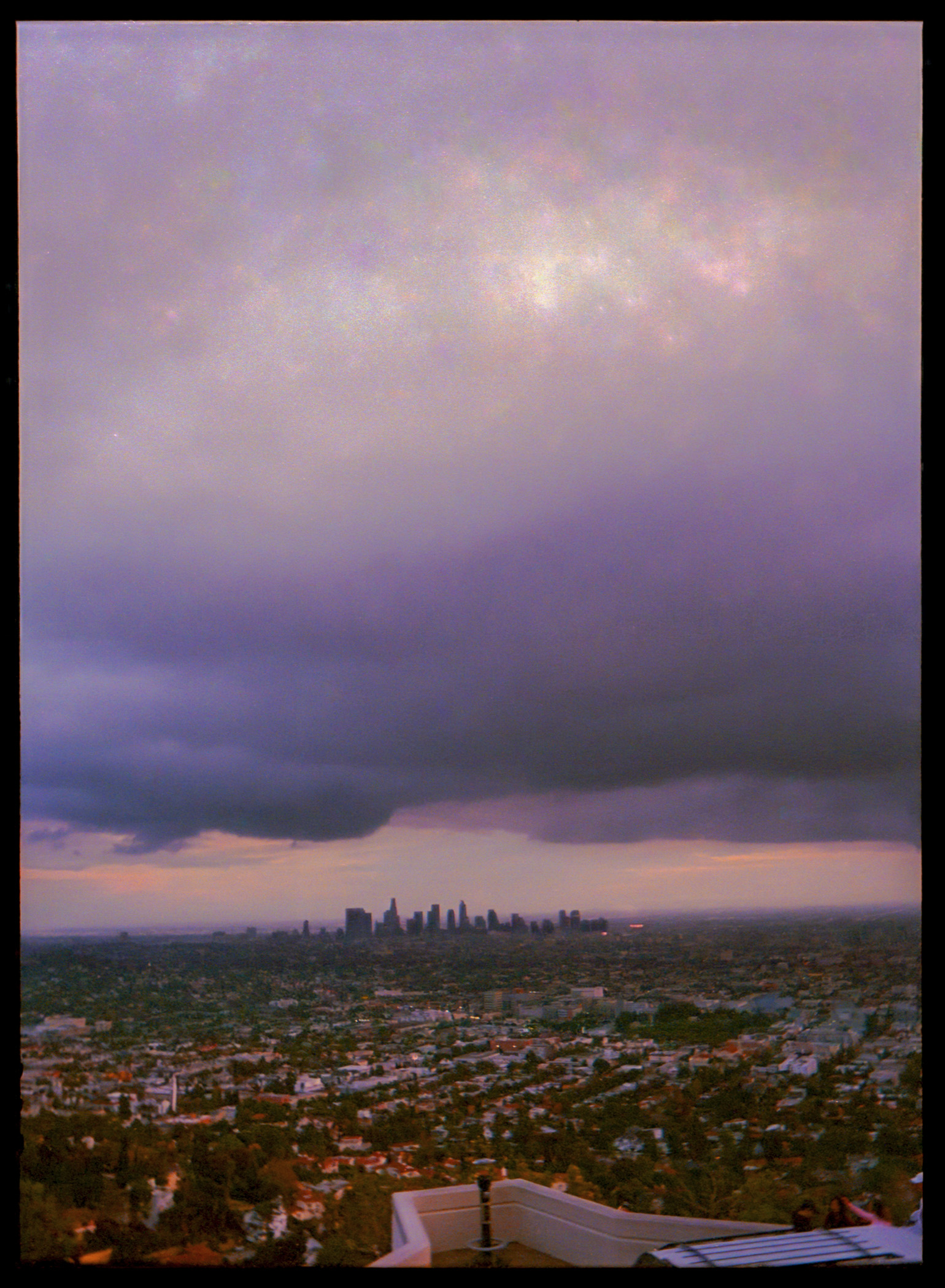
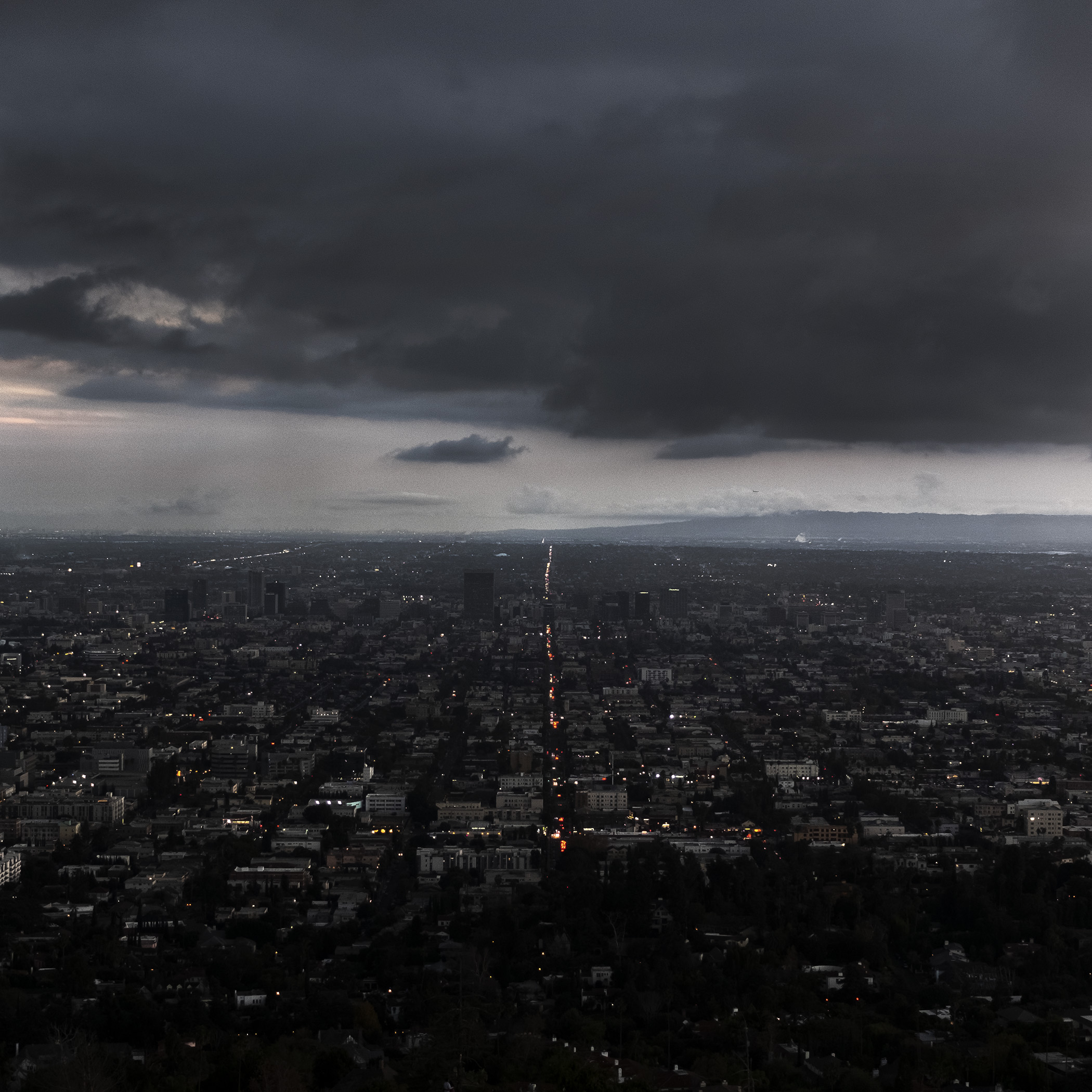
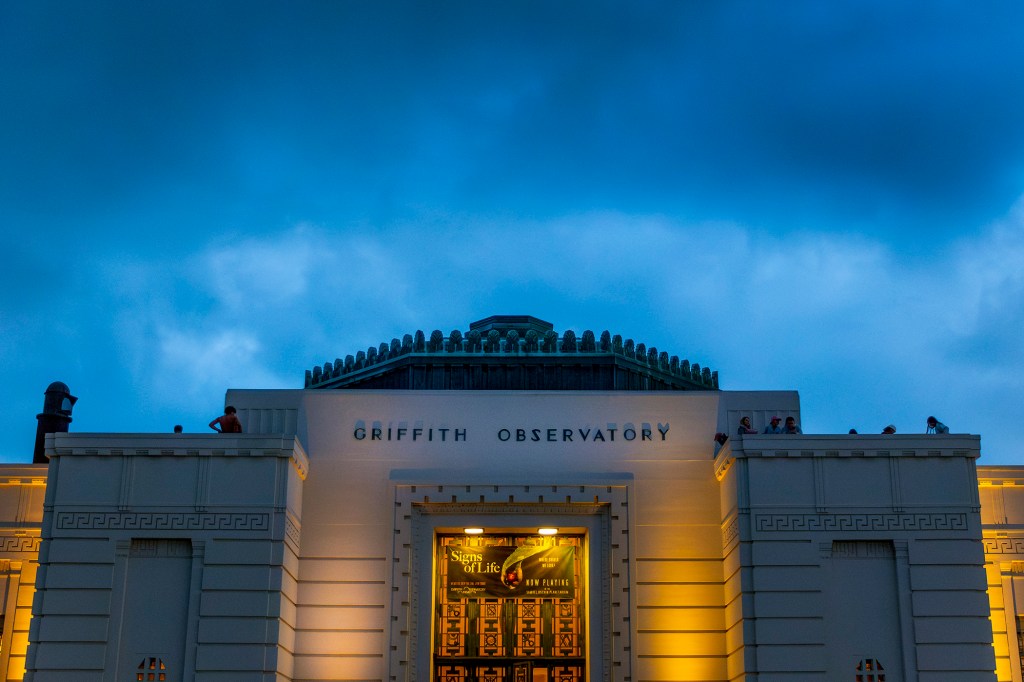
While we were in the park it seemed worth making the trip to the Griffith Observatory I’d managed to miss on all my previous visits. Even on a weekend it’s a popular spot with locals as much as tourists, so we took in a show at the planetarium, which ended just in time to watch the sun setting over the city and the spectacular Art Deco architecture of the Griffith.
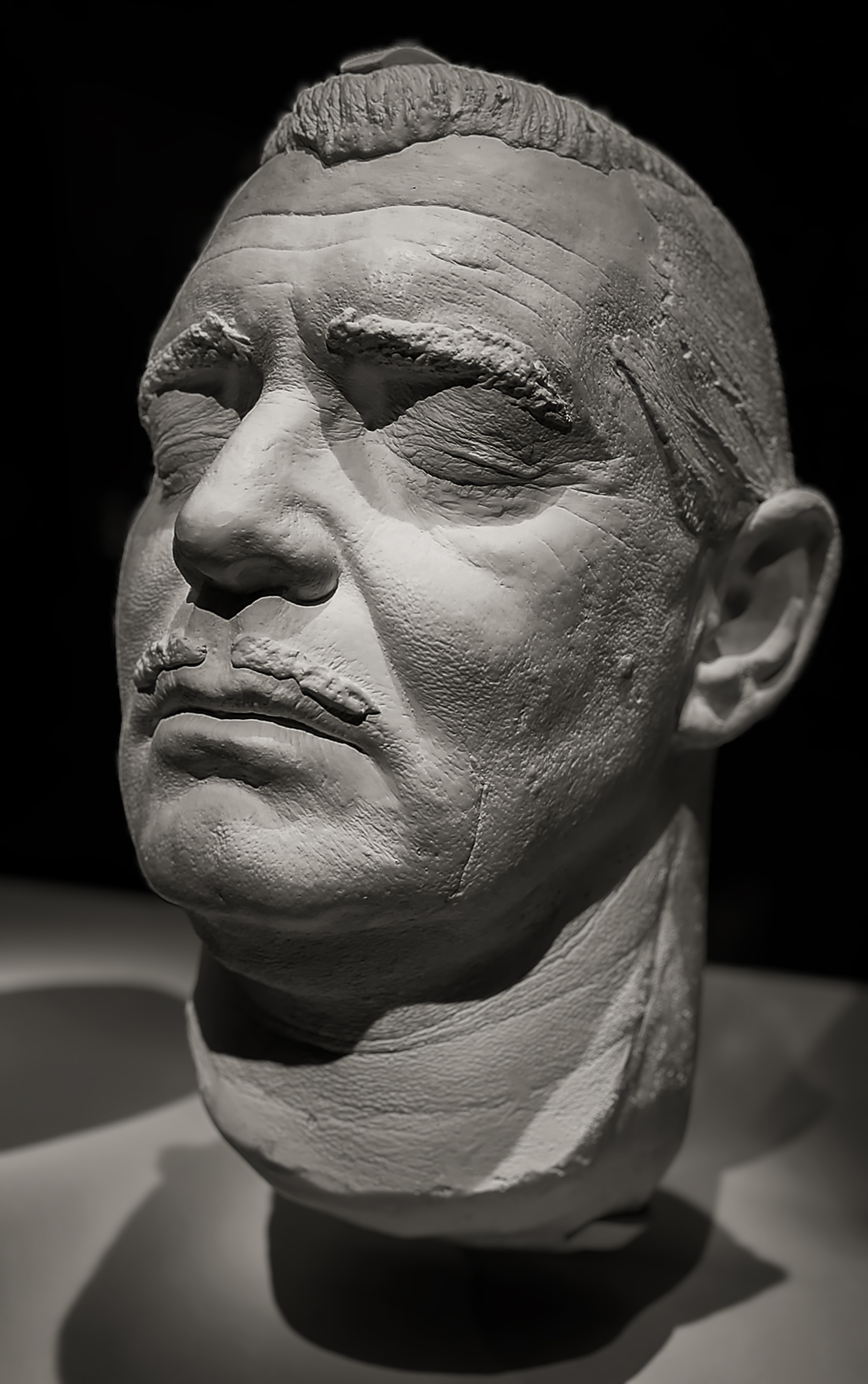
The next day was that rarest of things – a rainy day in Southern California – so we needed an indoor spot. L.A. is full of great museums, but we opted for the Academy Museum of Motion Pictures in the old May Company department store on the Miracle Mile. The big attraction was a John Waters retrospective, along with several other floors full of exhibits and memorabilia, including the shark from Jaws, Sam’s piano from Casablanca and a life mask of Clark Gable. (There’s also a pretty good restaurant in the lobby, named after comedienne Fanny Brice.)


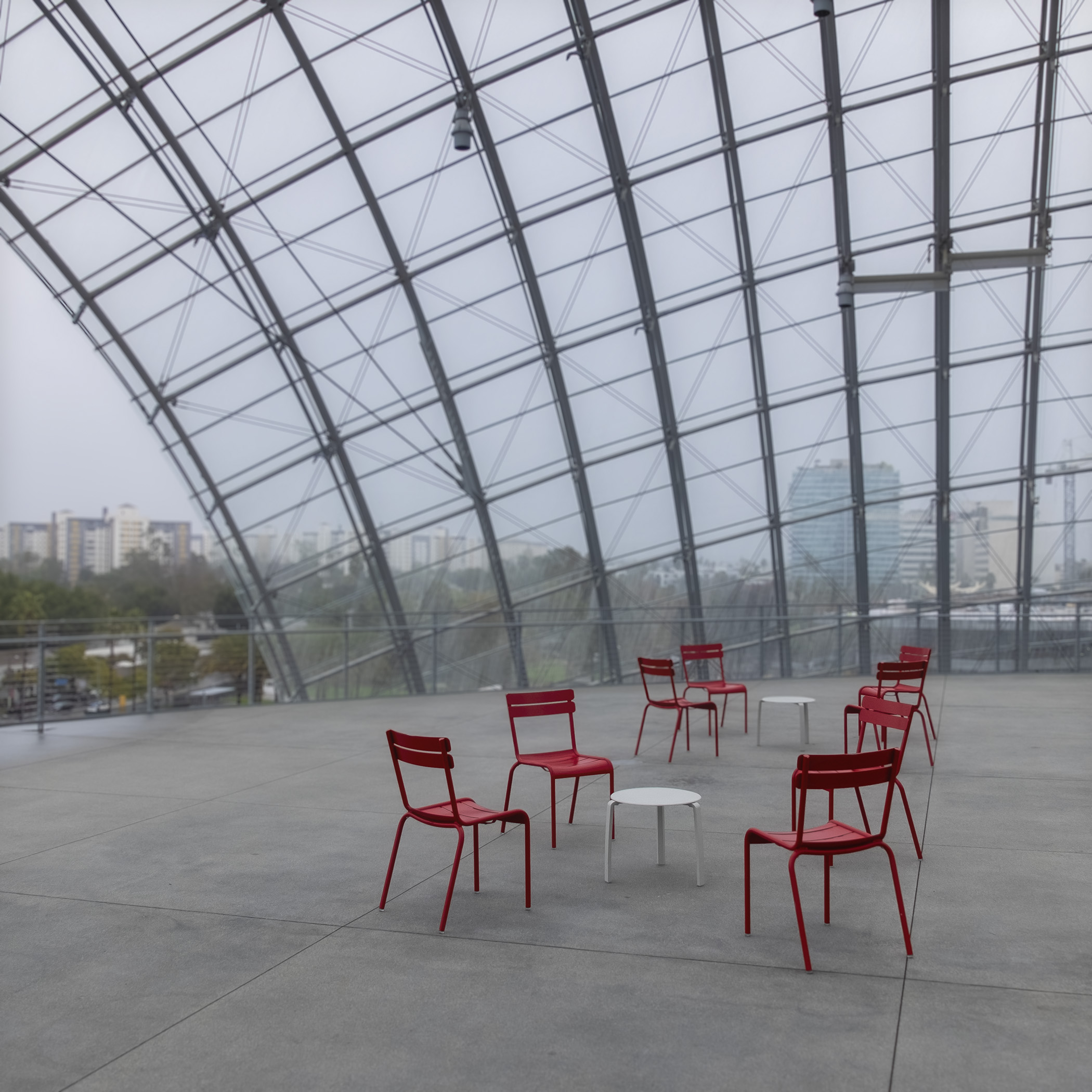
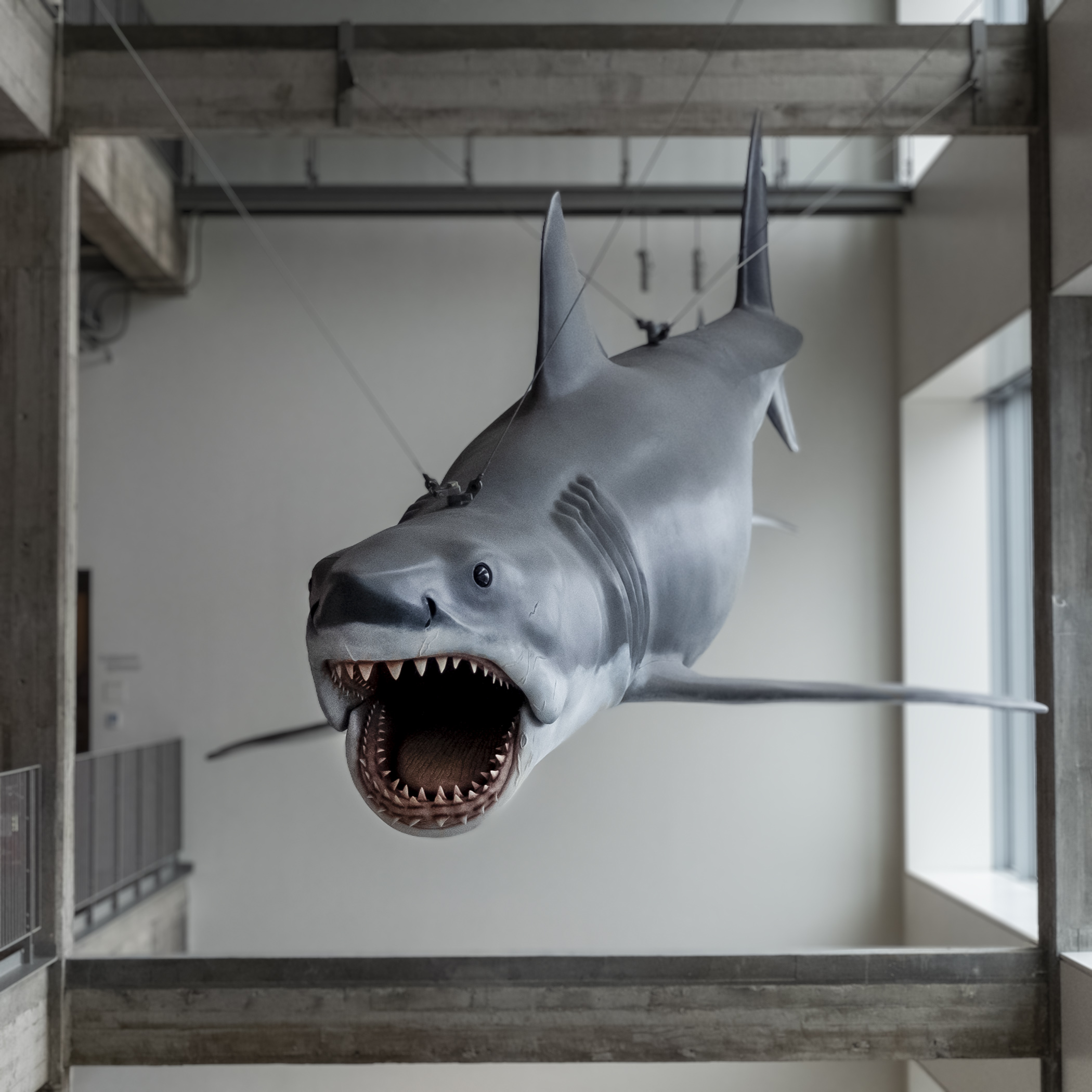
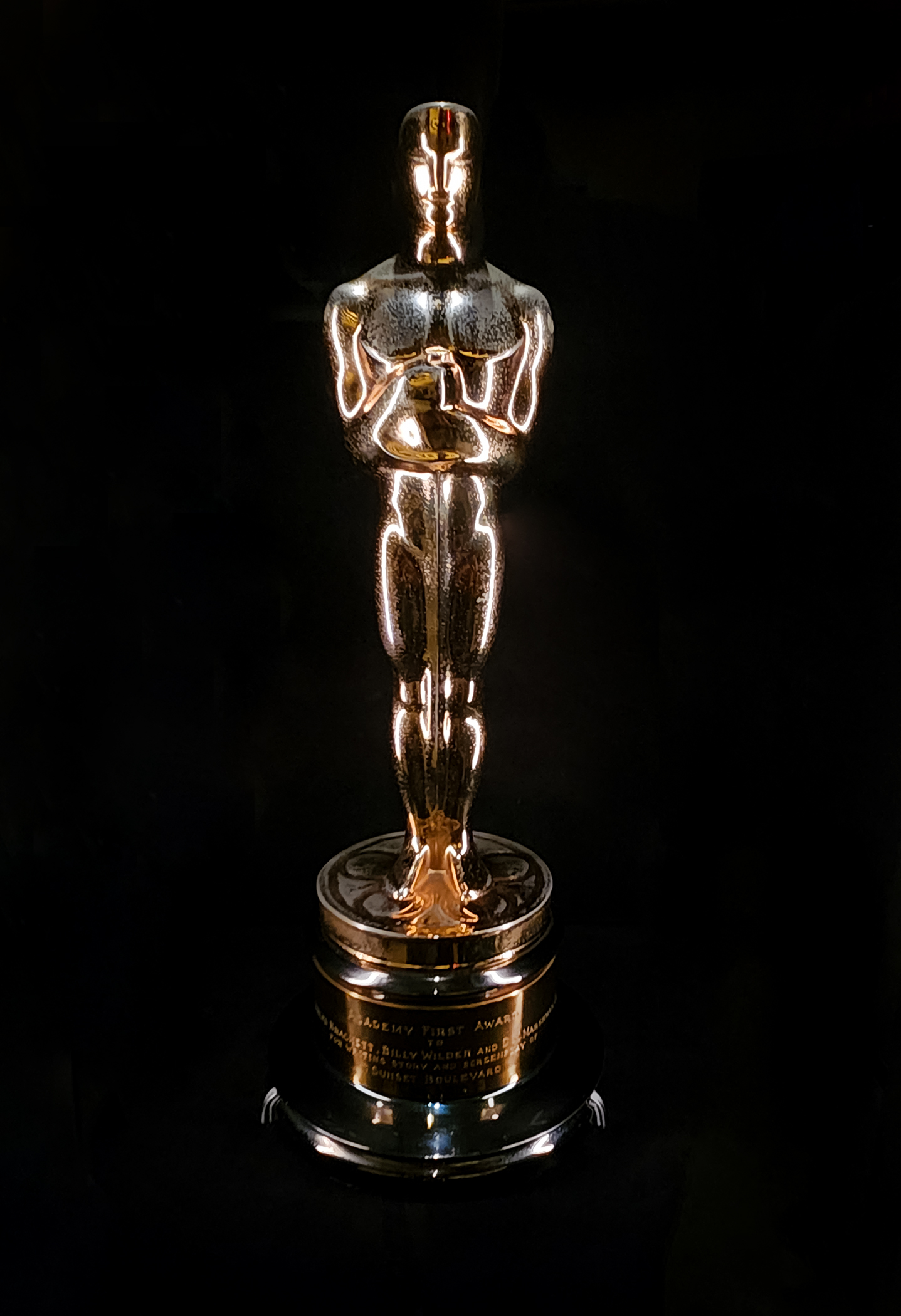
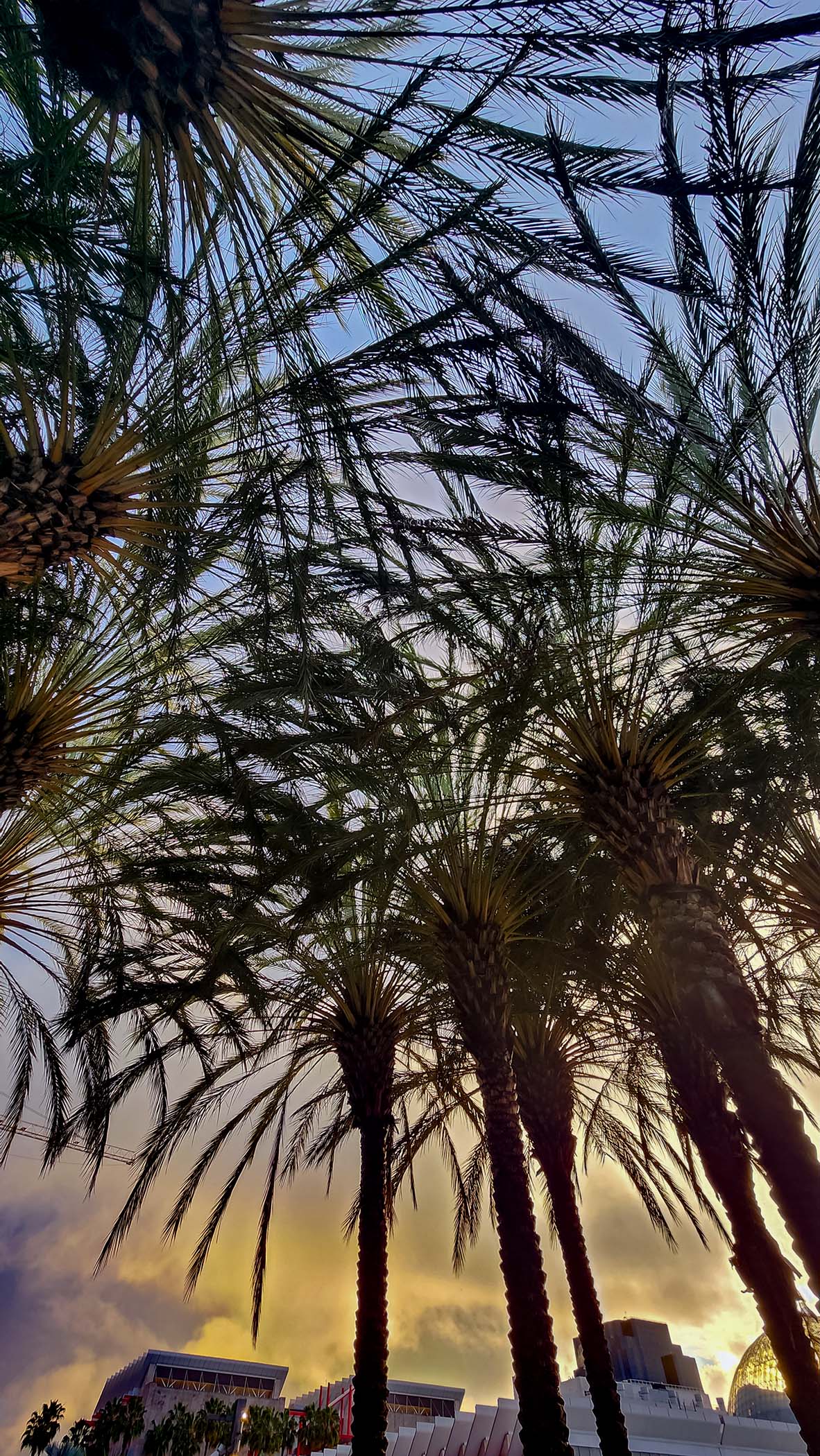
The Academy Museum is very nicely located, right next to the Los Angeles County Museum of Art and the Petersen Automotive Museum, just in case you have your own rainy day in the city. But the rain ended as the sun began to go down so we walked next door to the La Brea tar pits. The museum was closed but the park and its open air exhibits were still worth seeing.


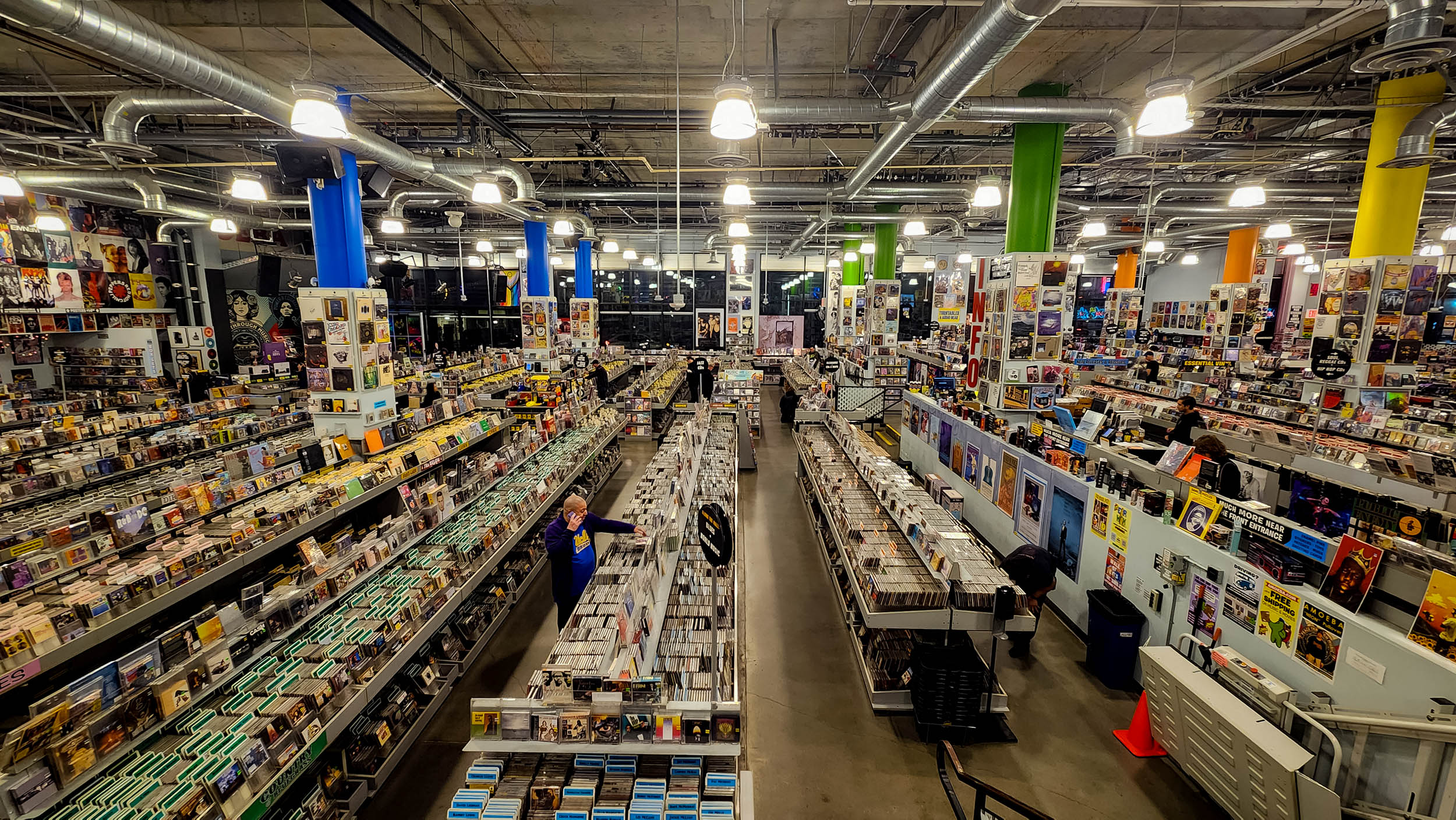
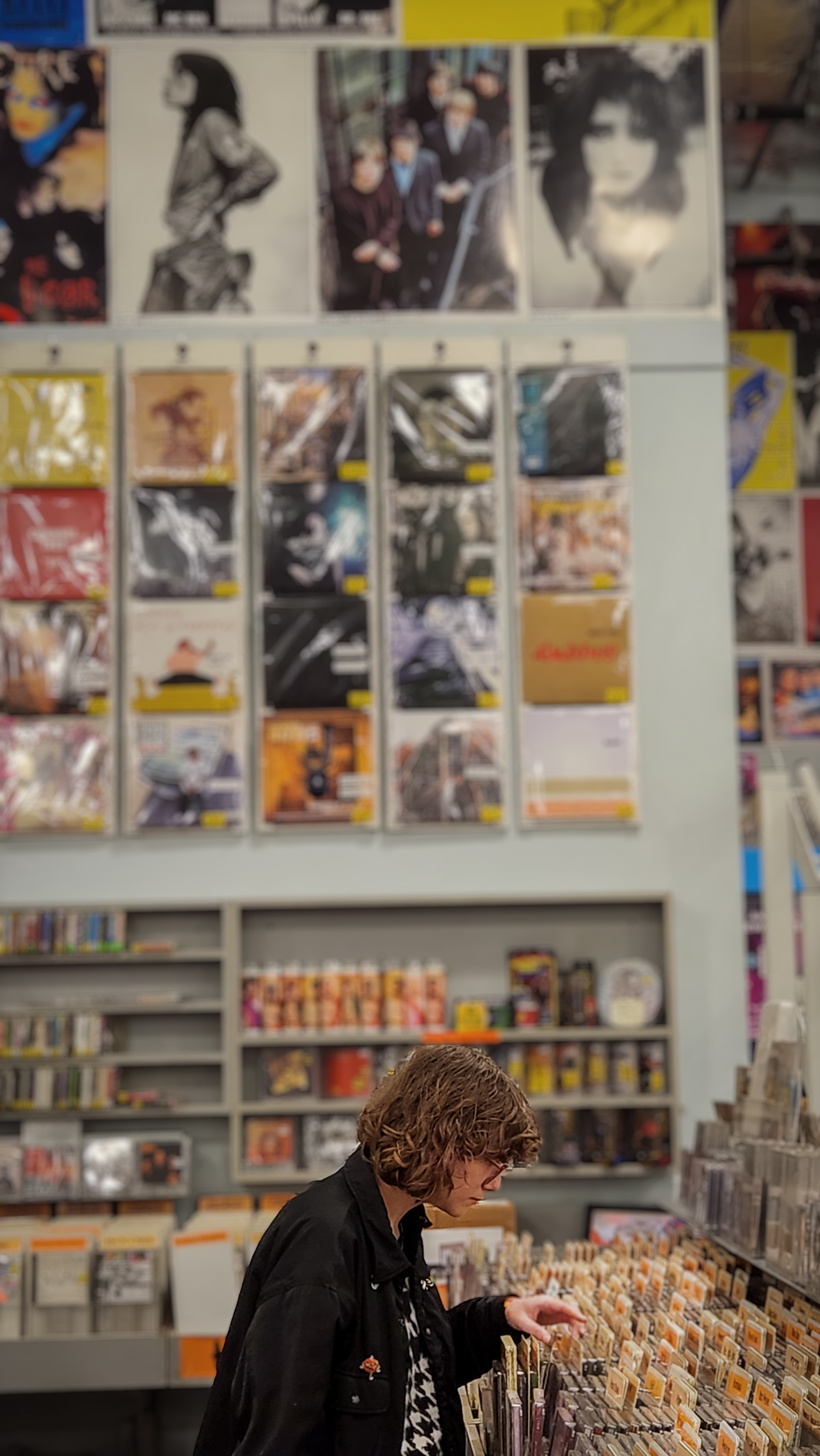
We ended the day with a long visit to Amoeba Records Hollywood, one of the last music superstores in the world – over 20,000 square feet of vinyl, CDs, movies, books and memorabilia. I grew up with massive downtown record stores but my kid did not, so it seemed like a visit worth making with a music fan used to online shopping and little boutique record shops.

The next day presented an opportunity to visit another L.A. highlight I’d managed to miss on previous visits. The Getty Center opened in 1997, an architectural showpiece designed by Richard Meier and built on one of the last really spectacular spots overlooking the city. Admission is free but reservations are recommended, and your experience begins with the tram ride that takes you from the parking lot to the museum, complete with its own soundtrack music.


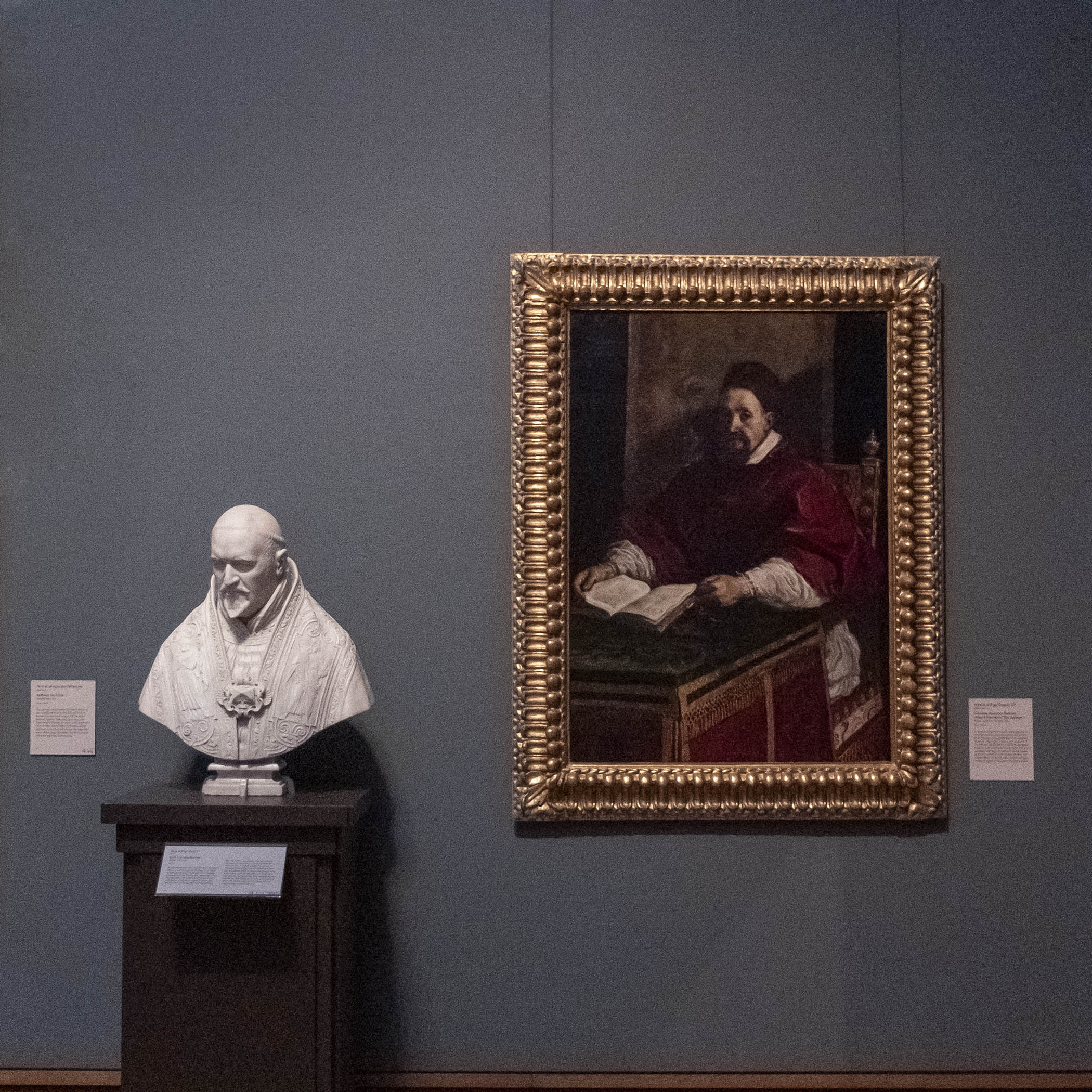
The museum was built to showcase the collection of billionaire J. Paul Getty, but it’s hard not to find the architecture, the gardens and the view overwhelming. Galleries are housed in different wings and require a bit of exploring to discover, but your wandering will be rewarded even if you get lost in this remarkable place, with its nearly endless Apollonian vistas.

Our next destination was a very different place from the Getty. Knott’s Berry Farm is Los Angeles’ other amusement park, and my kid had chosen it over Disneyland as the highlight of our trip. What started as a roadside berry stand in 1923 has become a 57-acre theme park with sections devoted to different eras in California history alongside the Peanuts-themed Camp Snoopy.
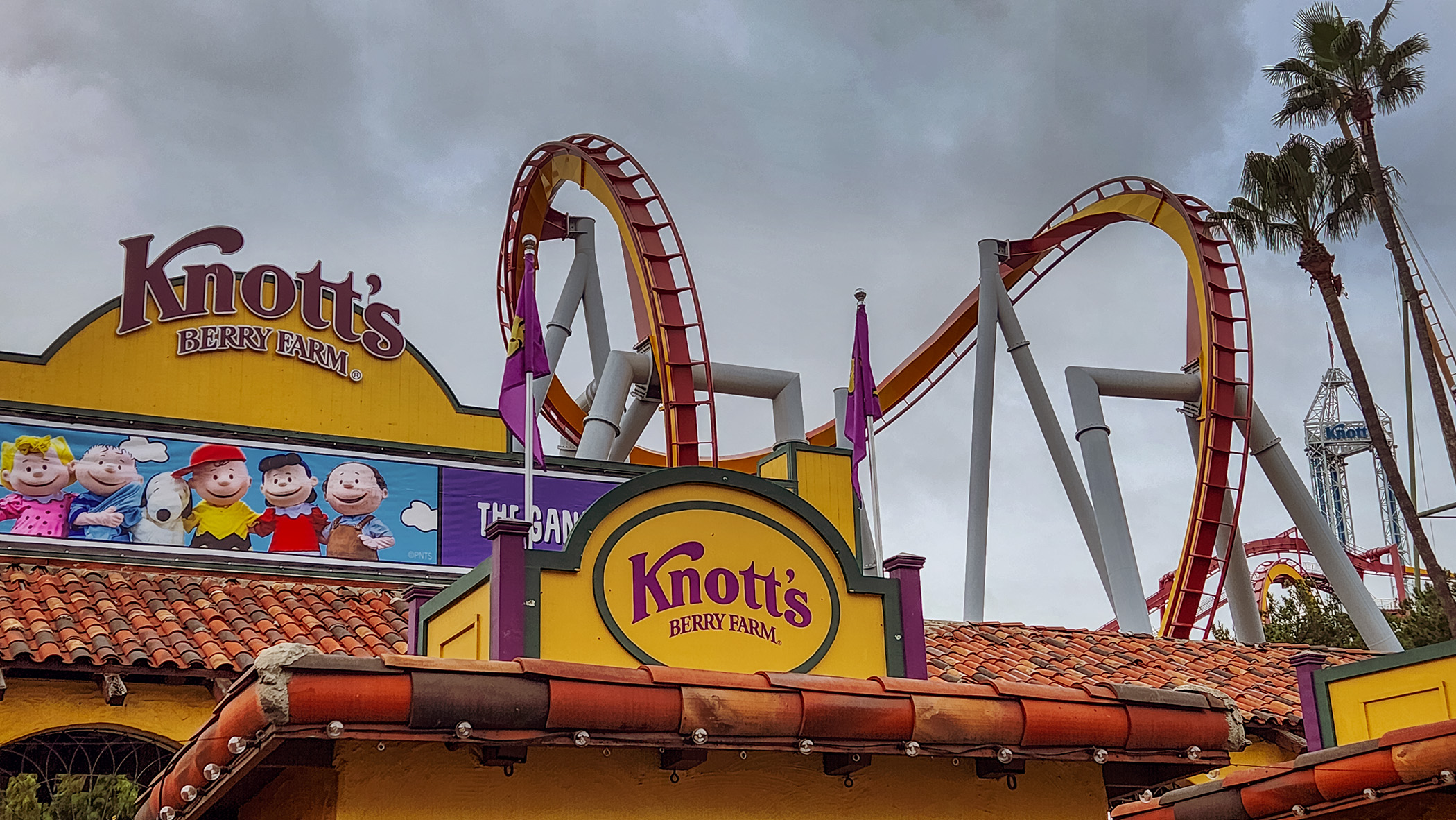
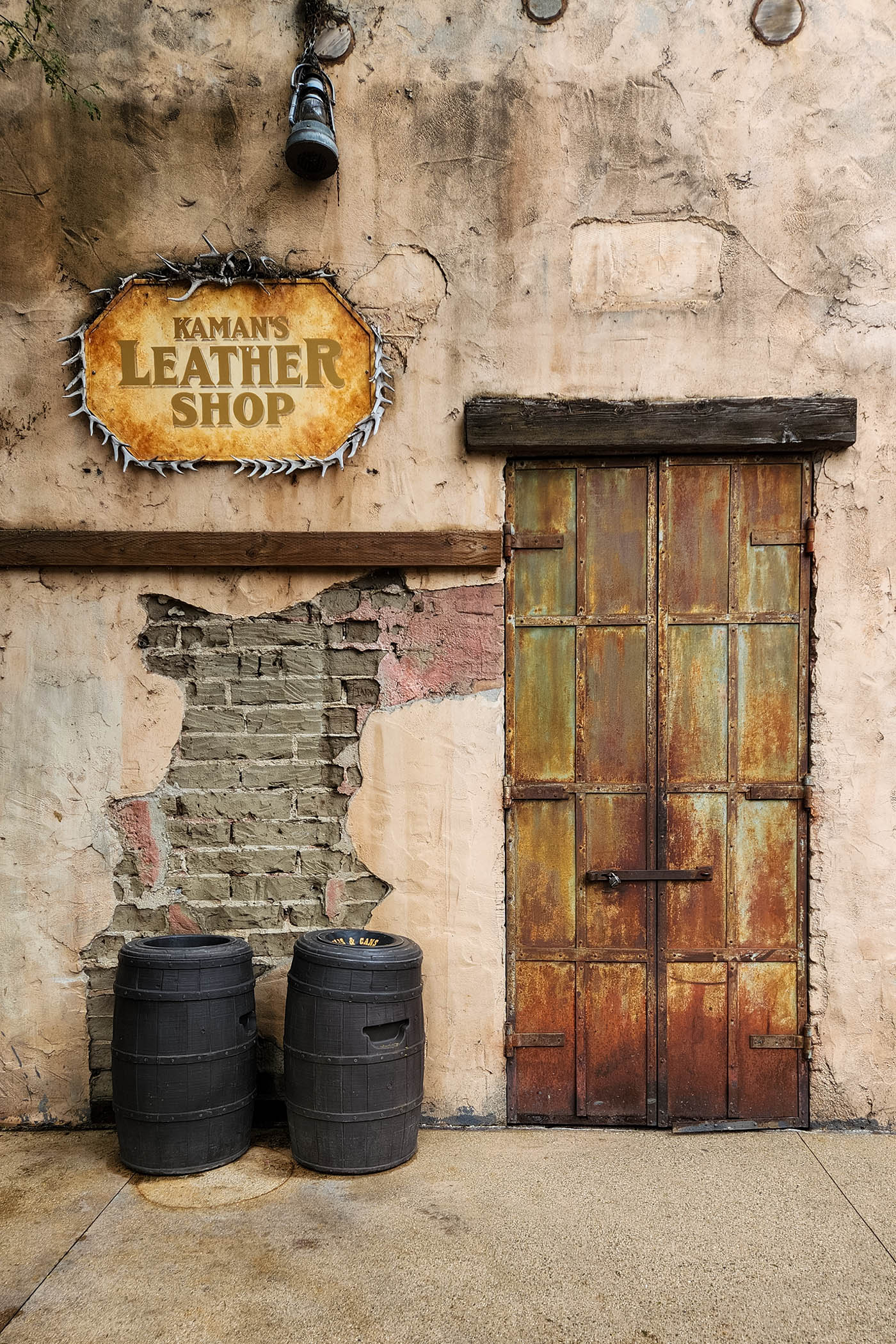

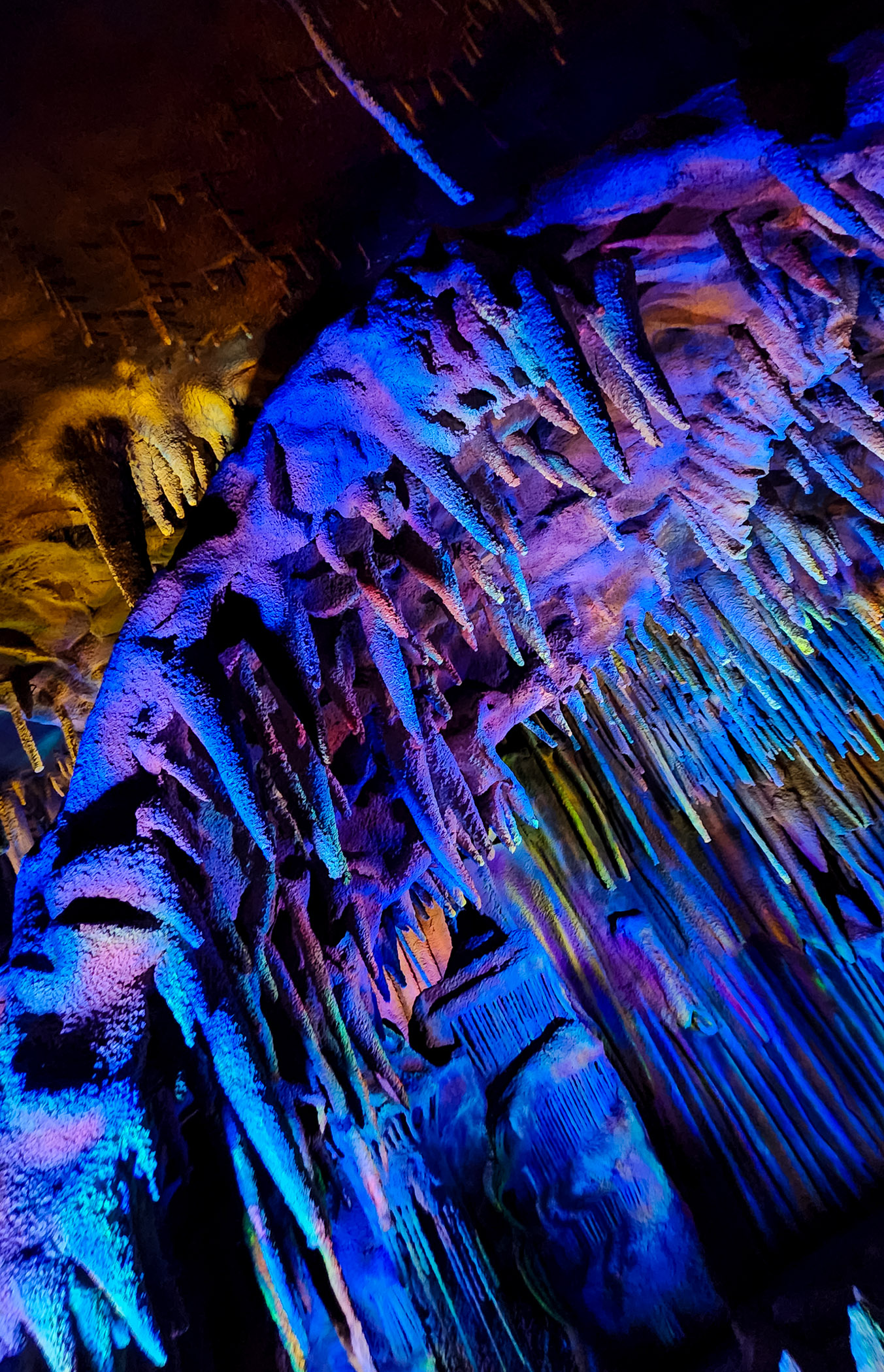
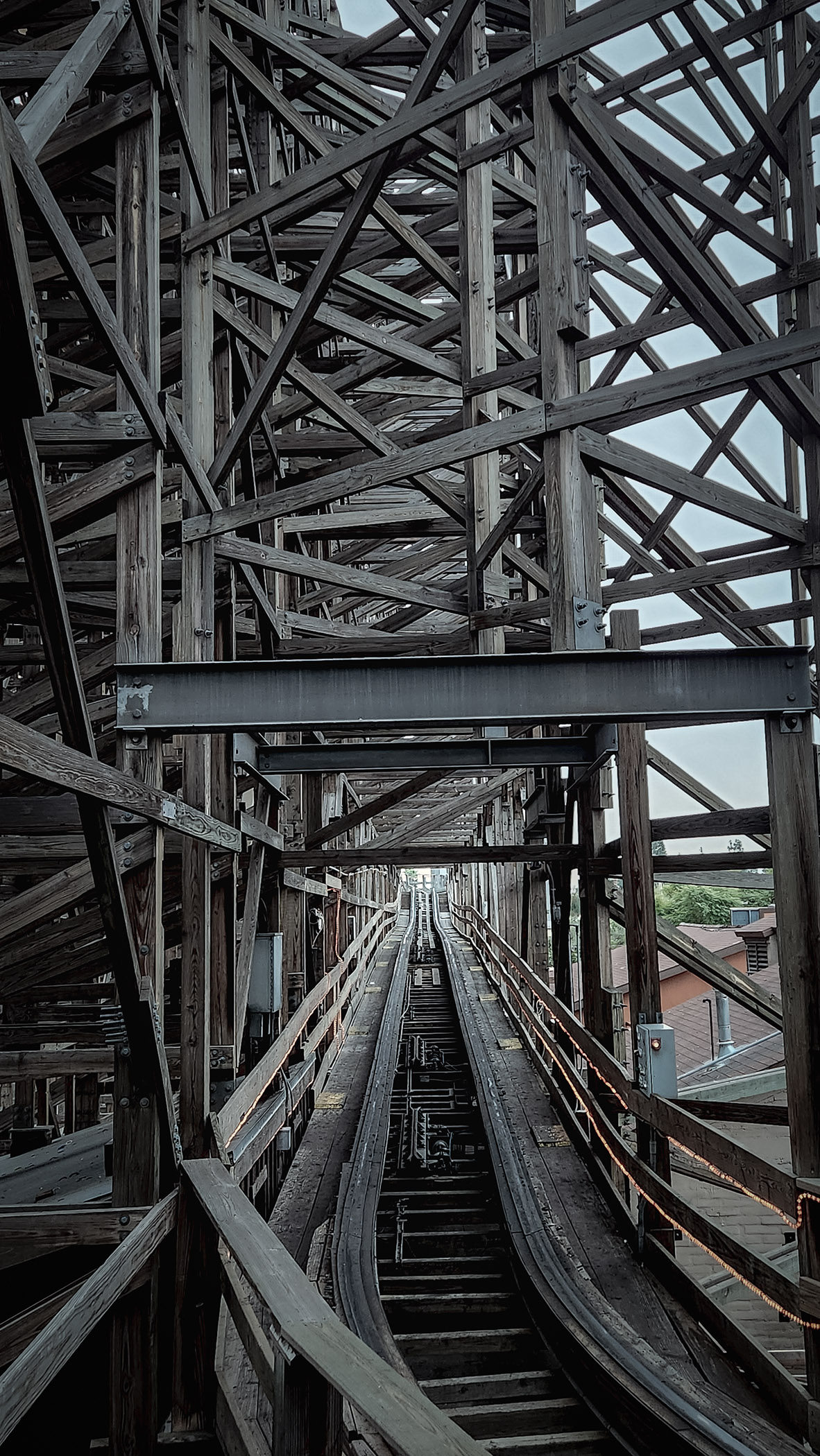
While Disneyland is the tourist magnet, Knott’s is the theme park for locals judging by our weekday visit, and it’s famous for having better food than most other amusement parks – and well worth the extra money on the meal plan you can get on top of all-day admission. It’s also the home of some pretty hairy rollercoasters like the Xcelerator and Hang Time, but my thrill limit was more than exceeded by the Ghost Rider, an old-fashioned wooden rollercoaster that still managed to terrify me nearly enough to put me off my food (but not quite).
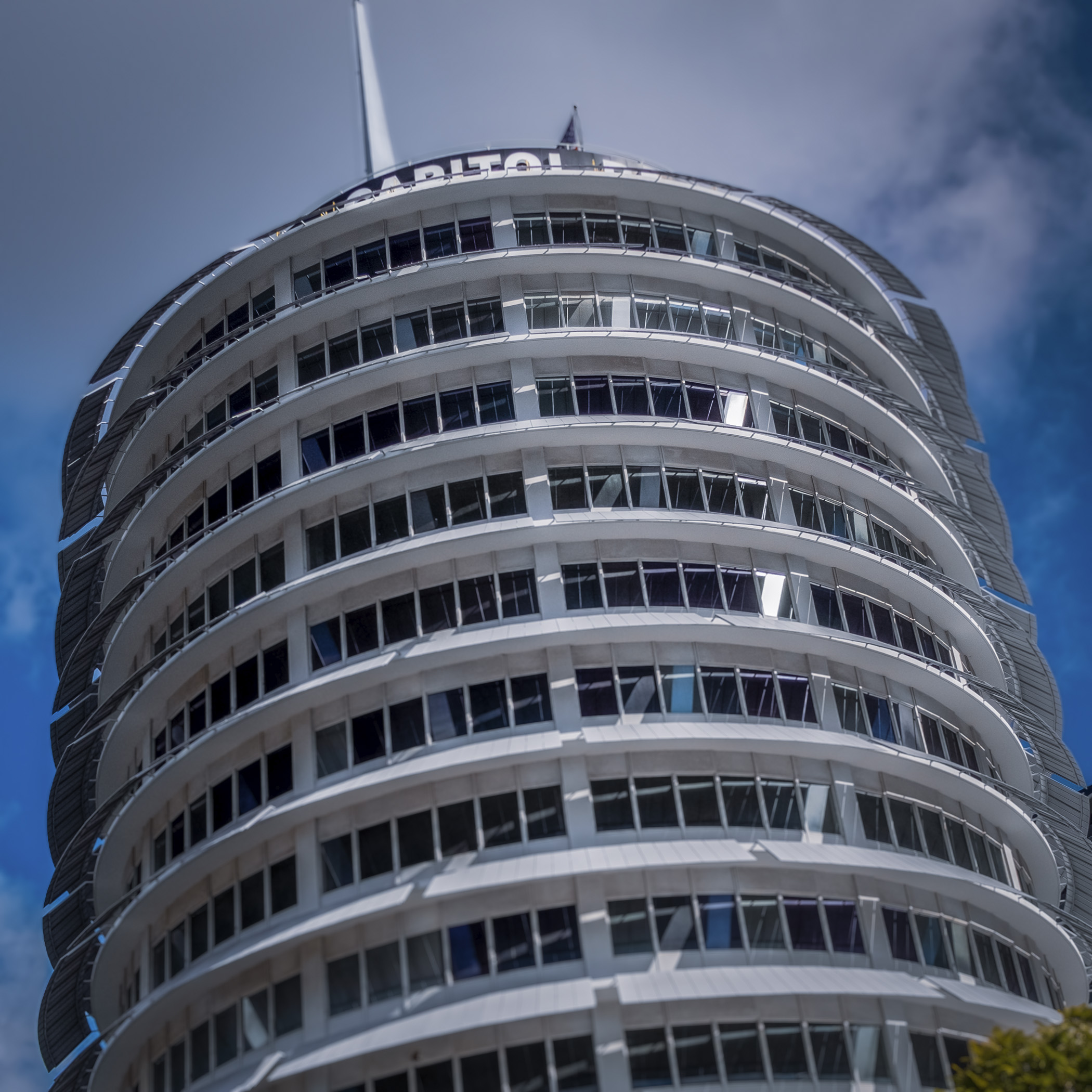
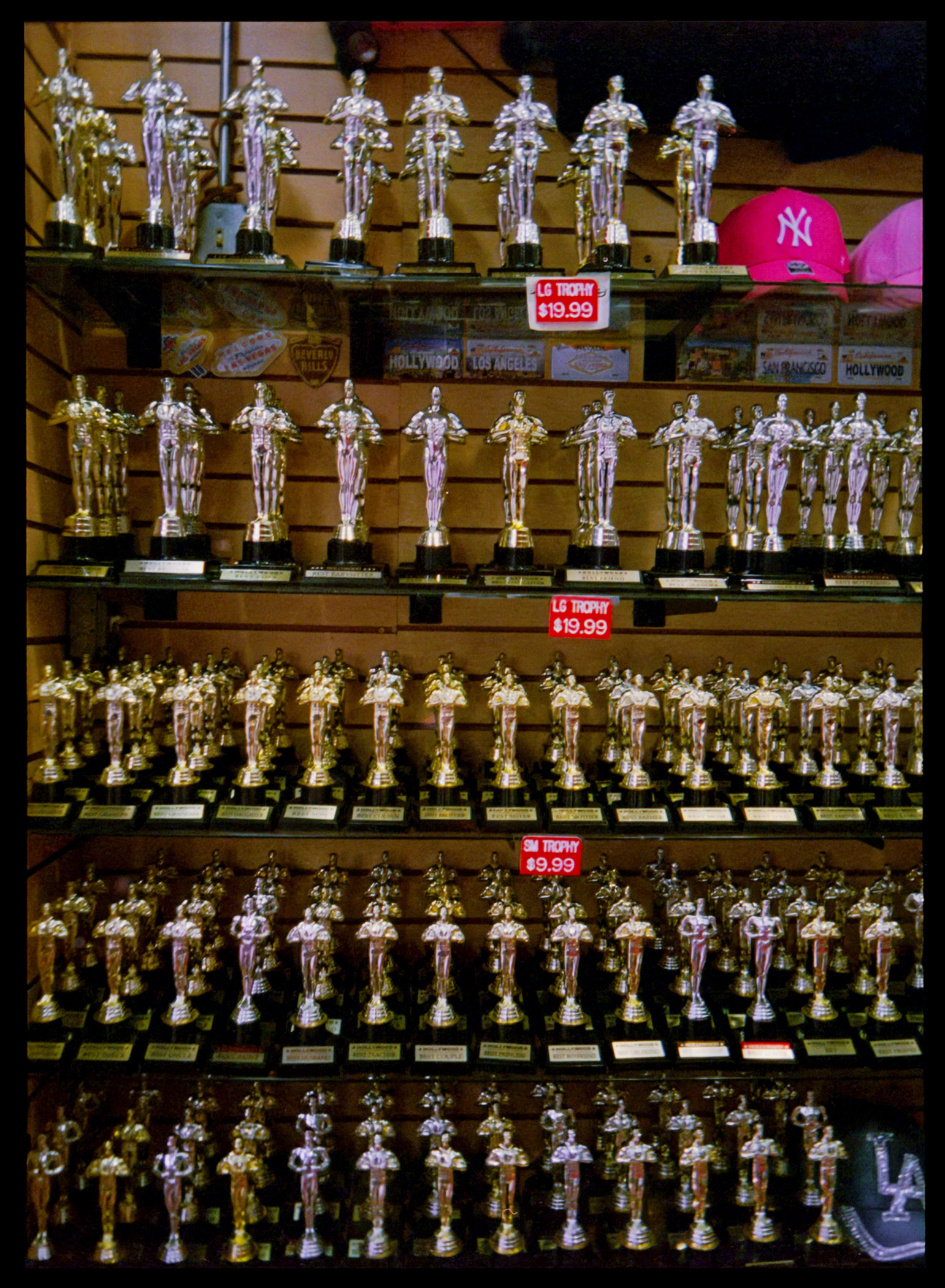
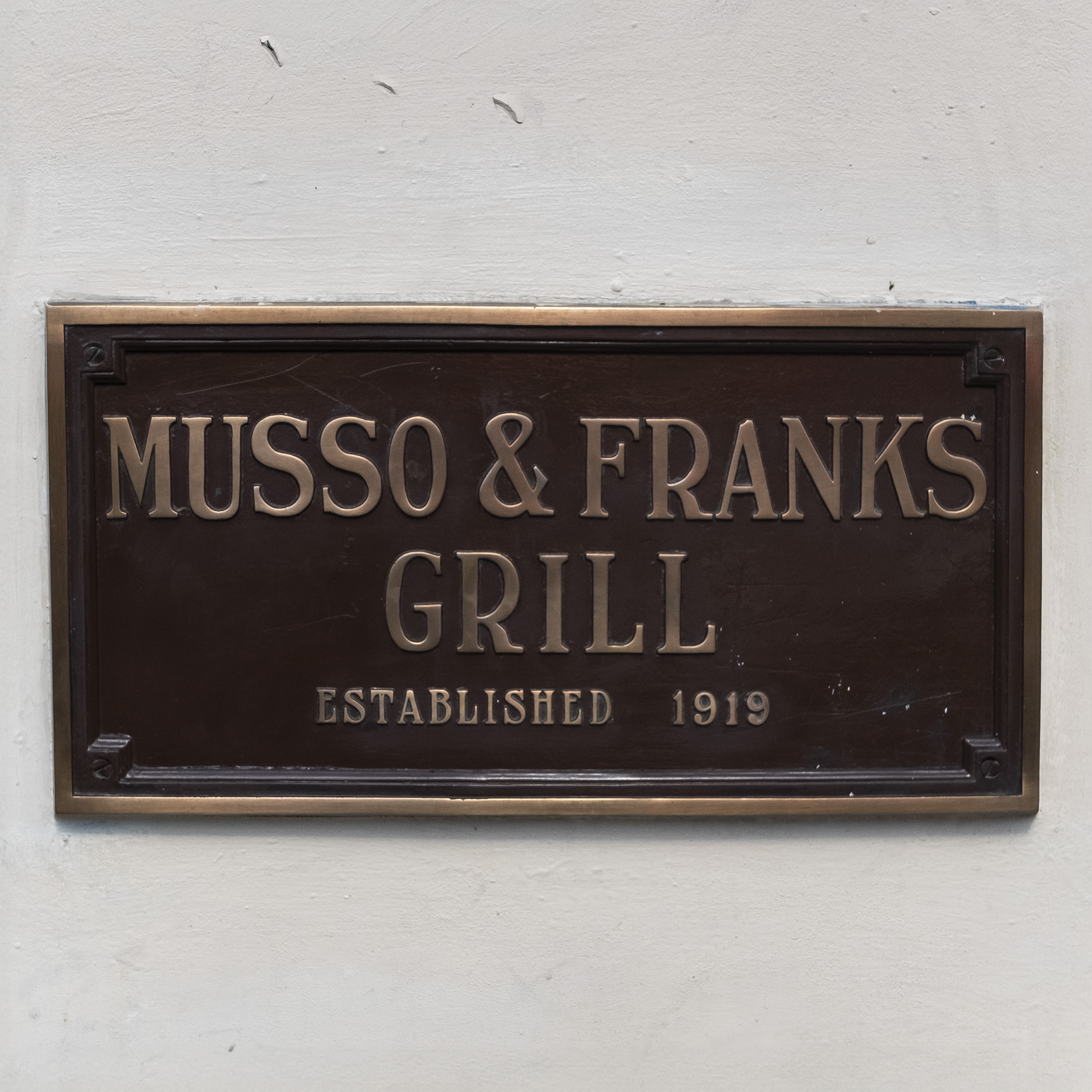
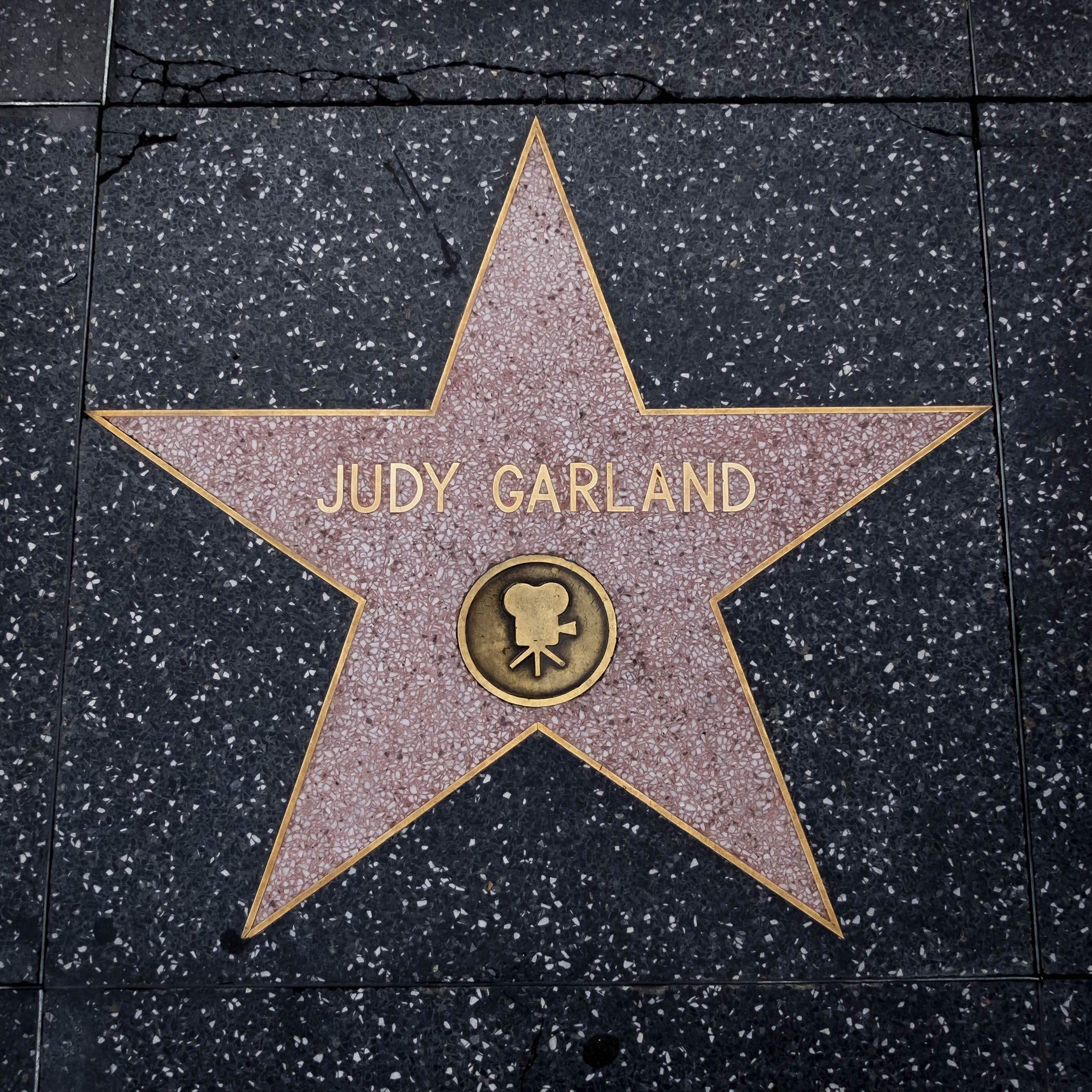


We decided to go full-on tourist on our last full day in the city with a walk down Hollywood Boulevard’s Walk of Fame starting at the Capitol Records “stack of platters” Building at Hollywood and Vine. They’ve been putting stars on the pavement of Hollywood Boulevard – over 2,700 of them – since the 1950s, and it’s always fun to confound a younger person with once-famous names that no longer resonate today. (Thankfully the kid knew who Judy Garland and Mickey Rooney were.)
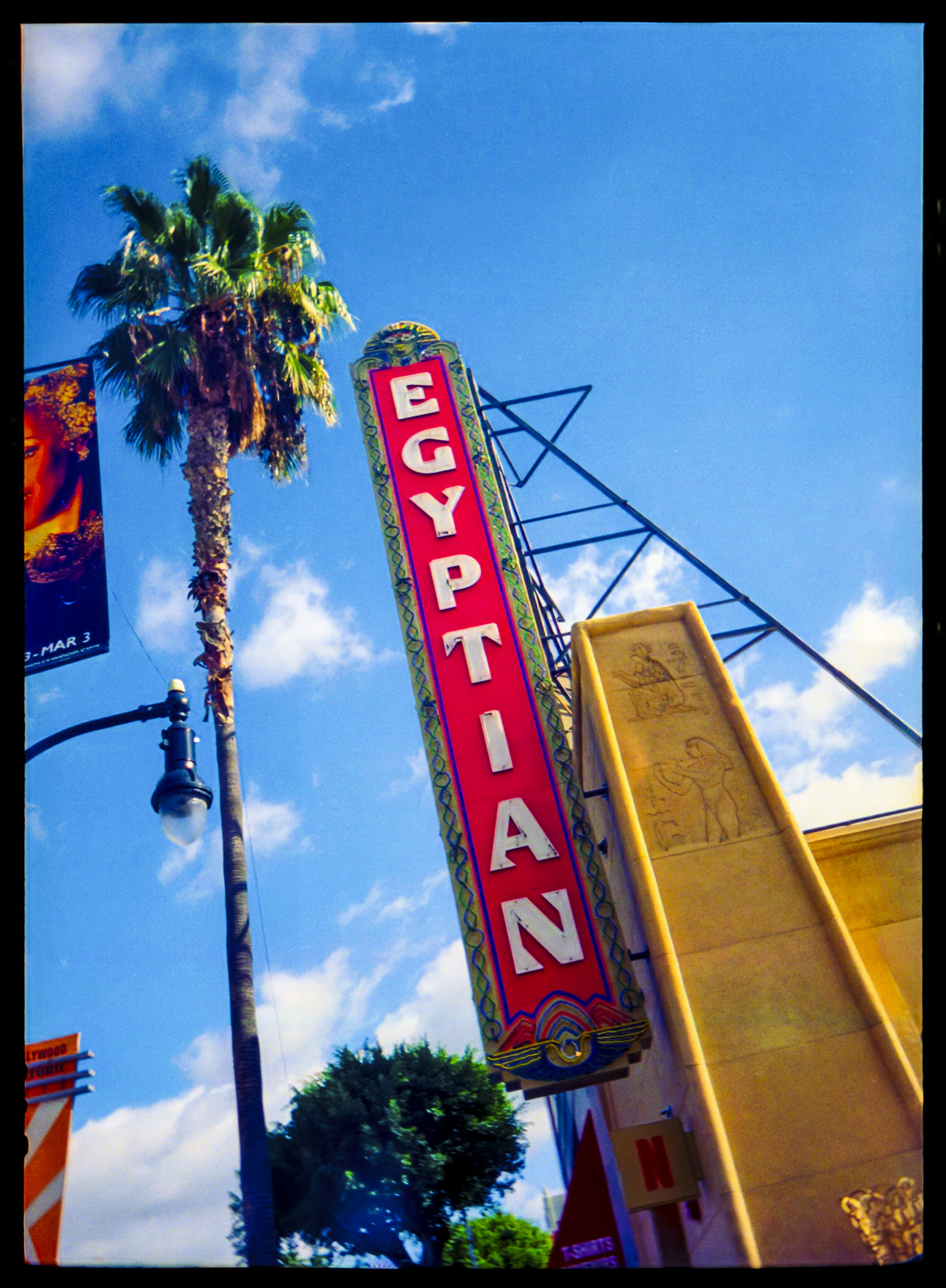
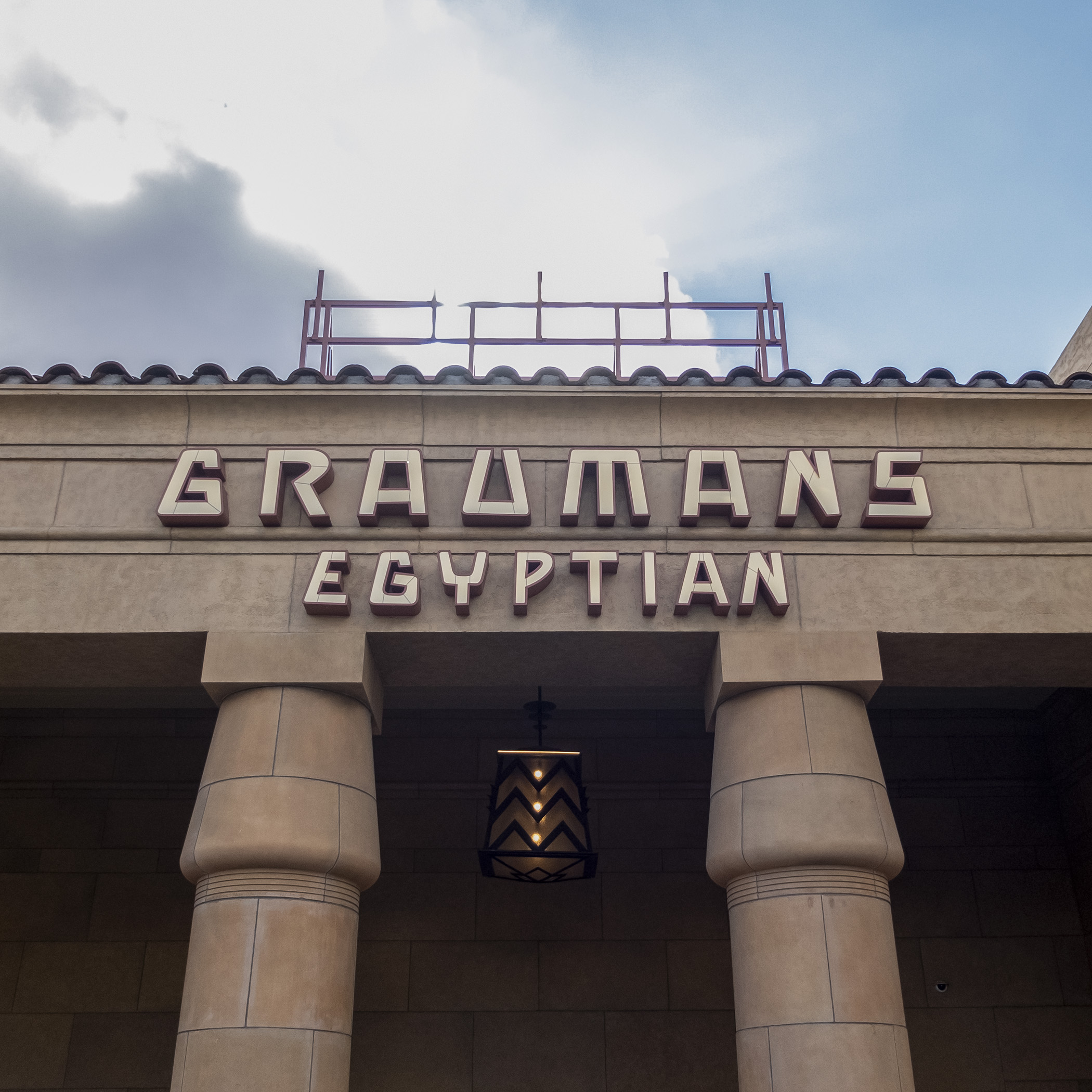
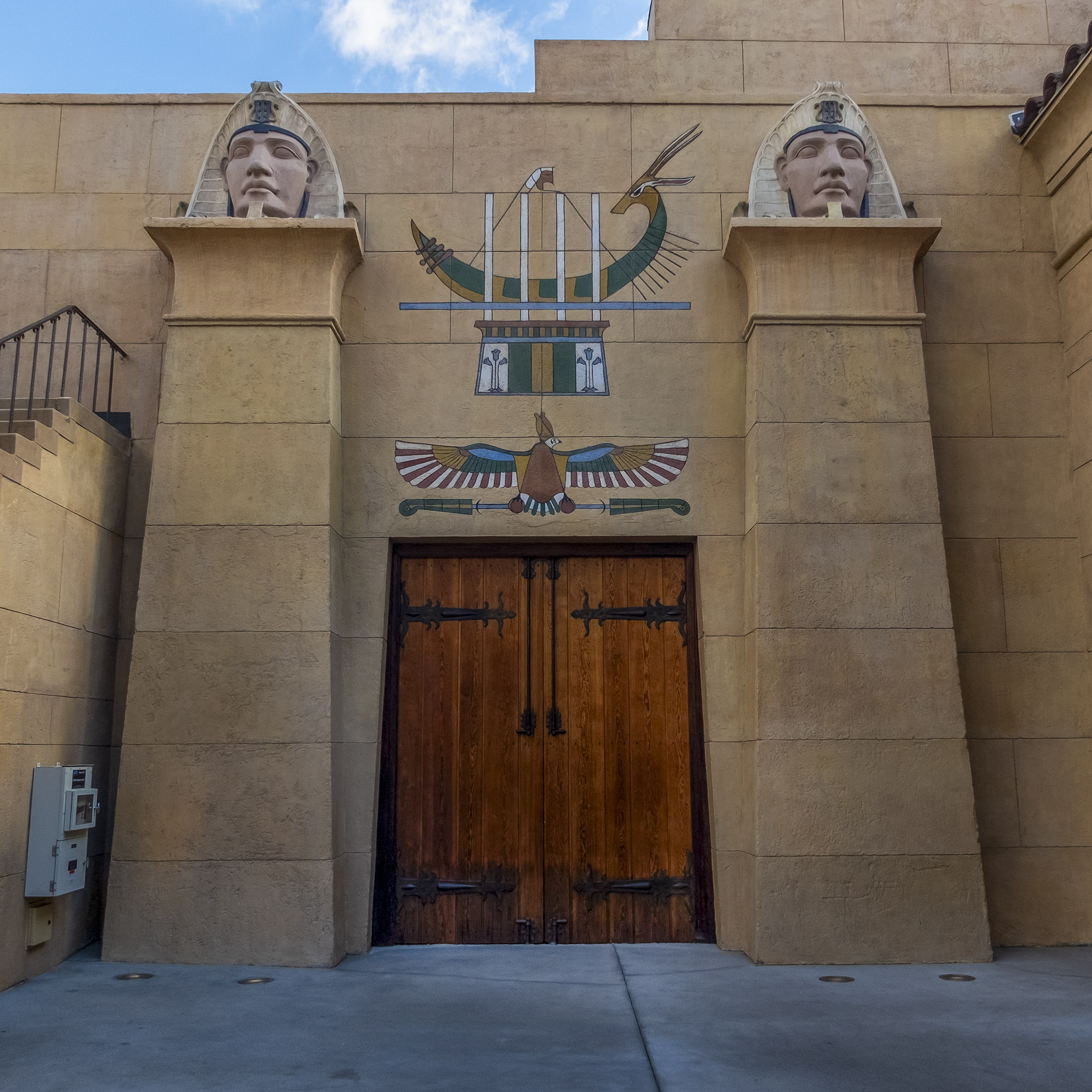
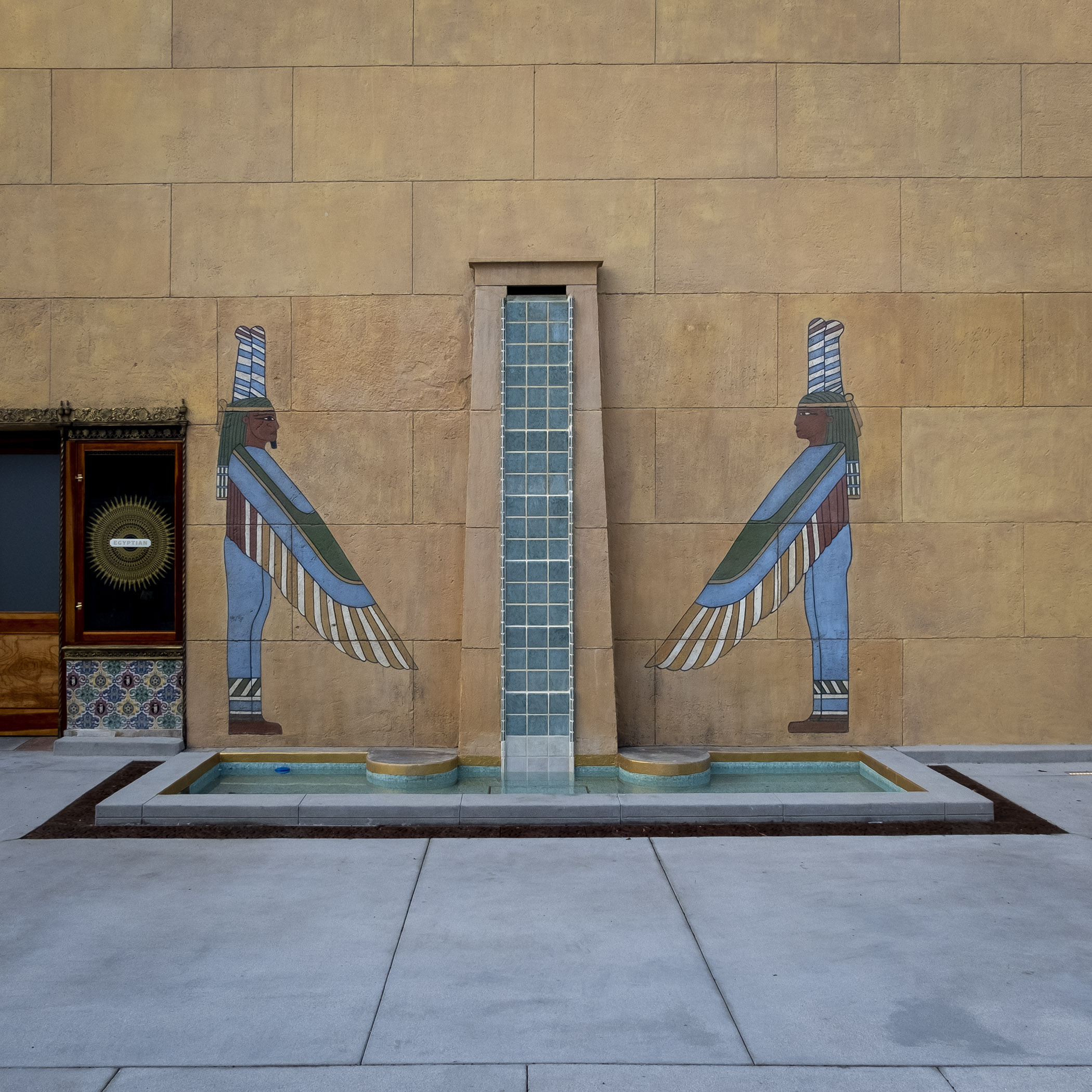
The stars were in our favour during our visit when we saw that Grauman’s Egyptian Theatre – closed whenever I’d walked past the landmark movie palace on previous visits – had its doors wide open. Netflix bought the building in 2020 and had just finished millions of dollars in renovations; a representative of the company who had worked on the renovations happened to be standing in the lobby as we peeked our heads in and offered us a free tour of the building: a rare and welcome treat.
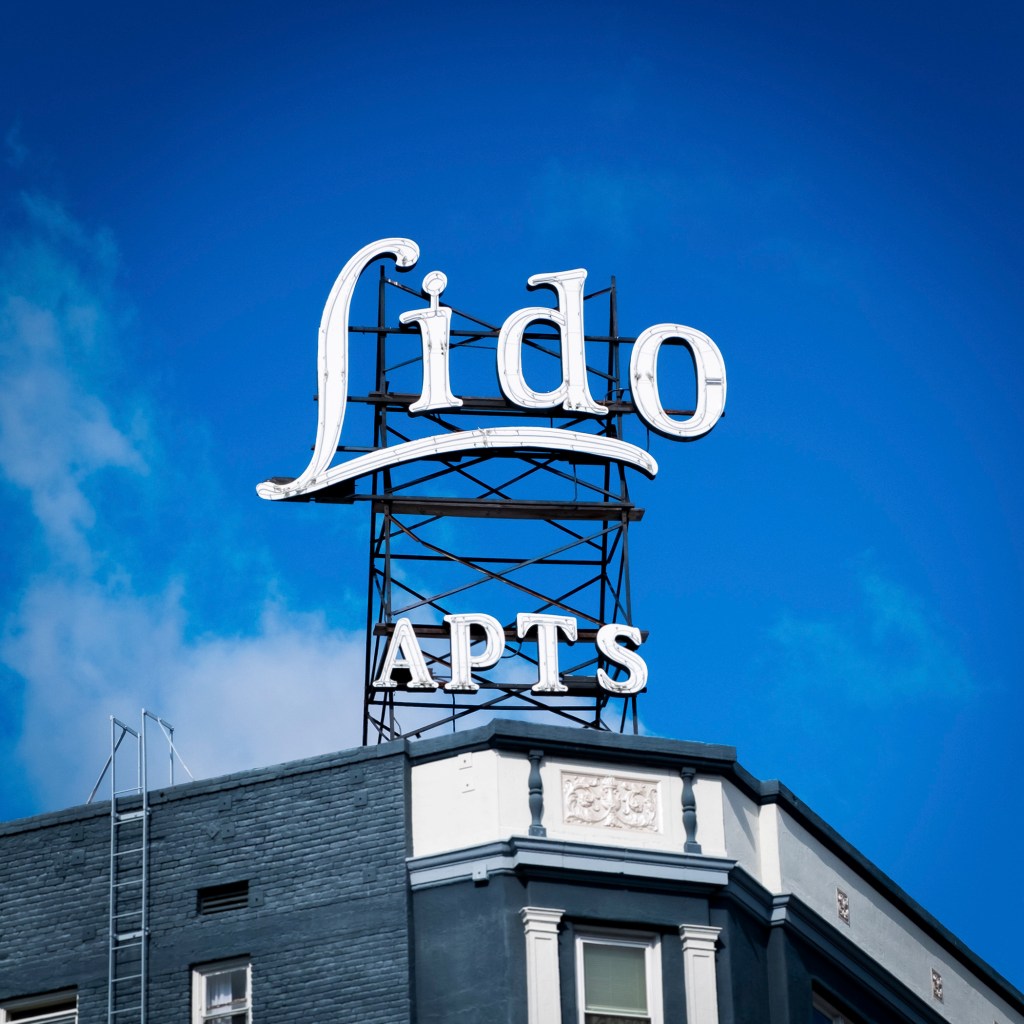

There’s no denying that Hollywood Boulevard, with its souvenir shops and garish bars, is ground zero for kitsch in Los Angeles, but like most of the city it’s lined with lovely Art Deco buildings and, if you squint just a little, you can get glimpses of old Hollywood. (Which to be fair was probably just as sleazy but better at hiding it.)

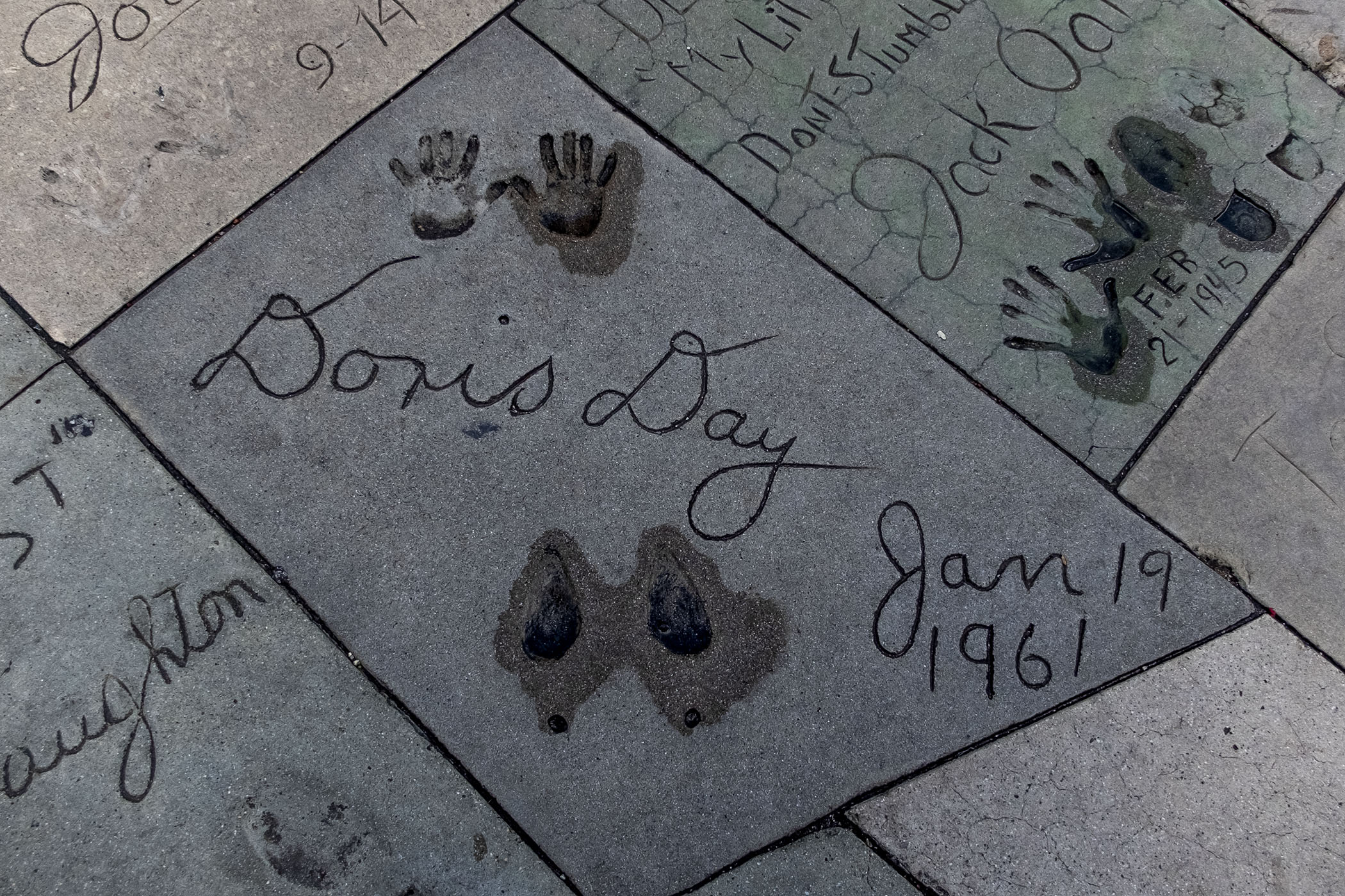
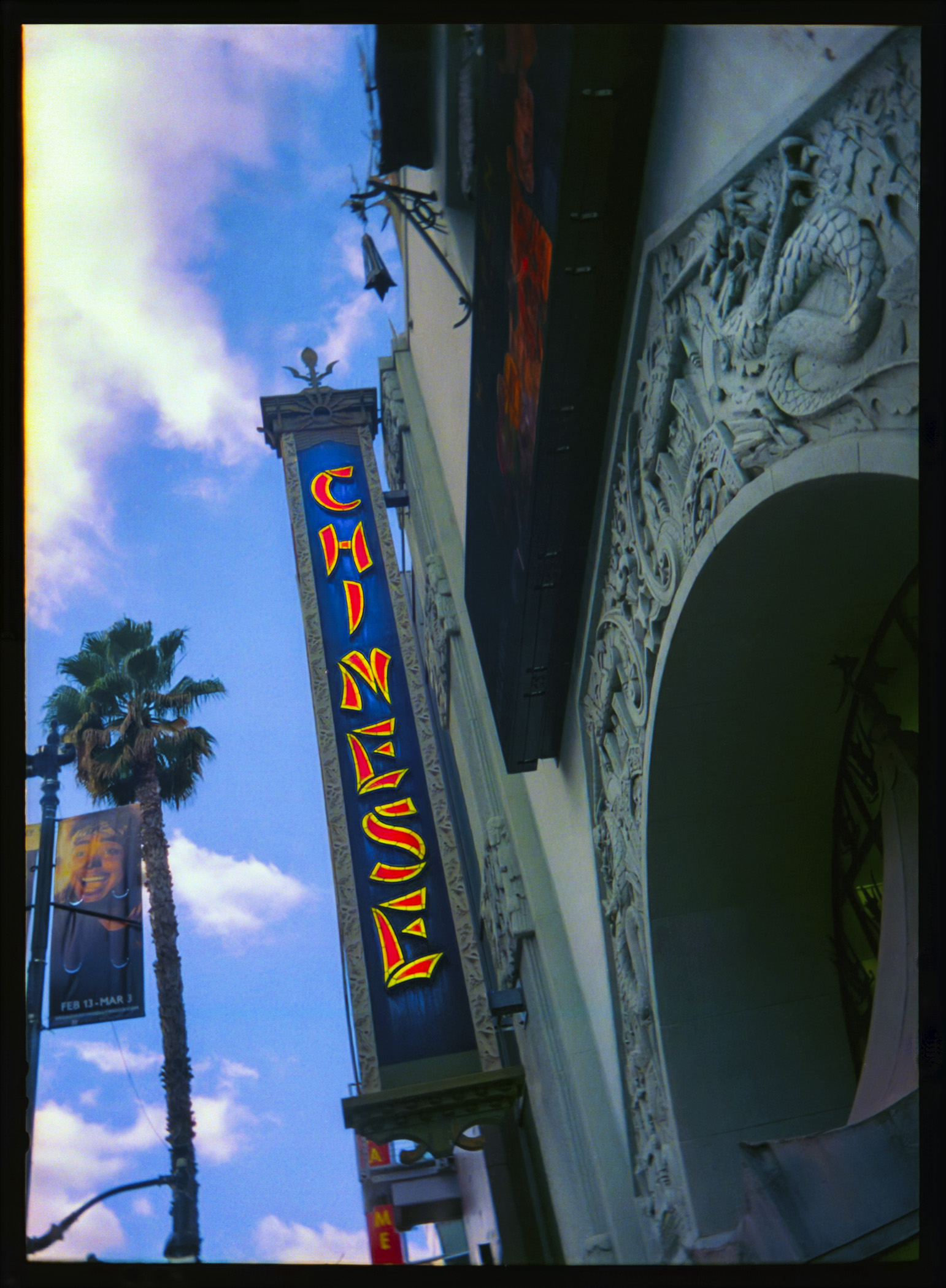
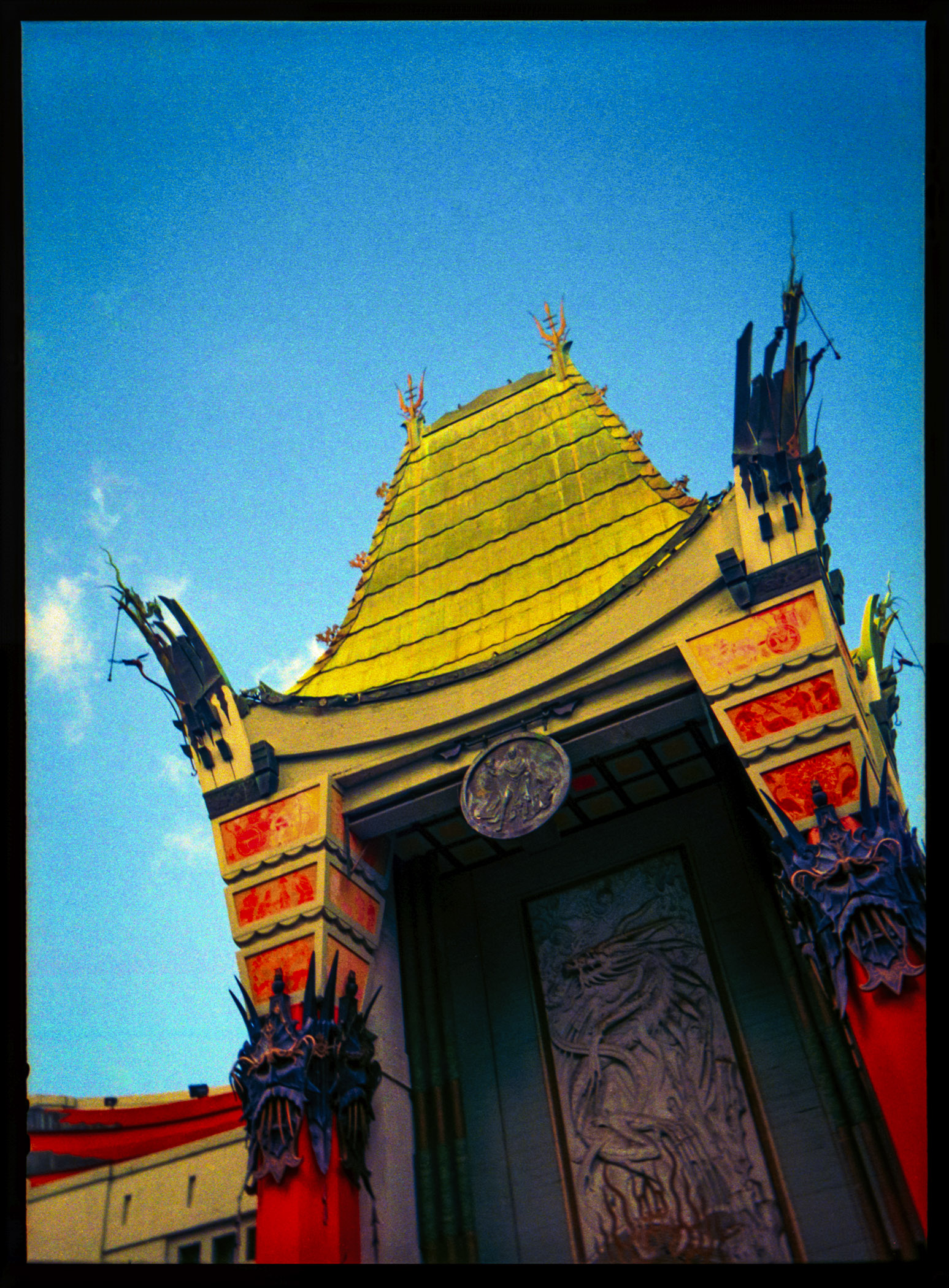
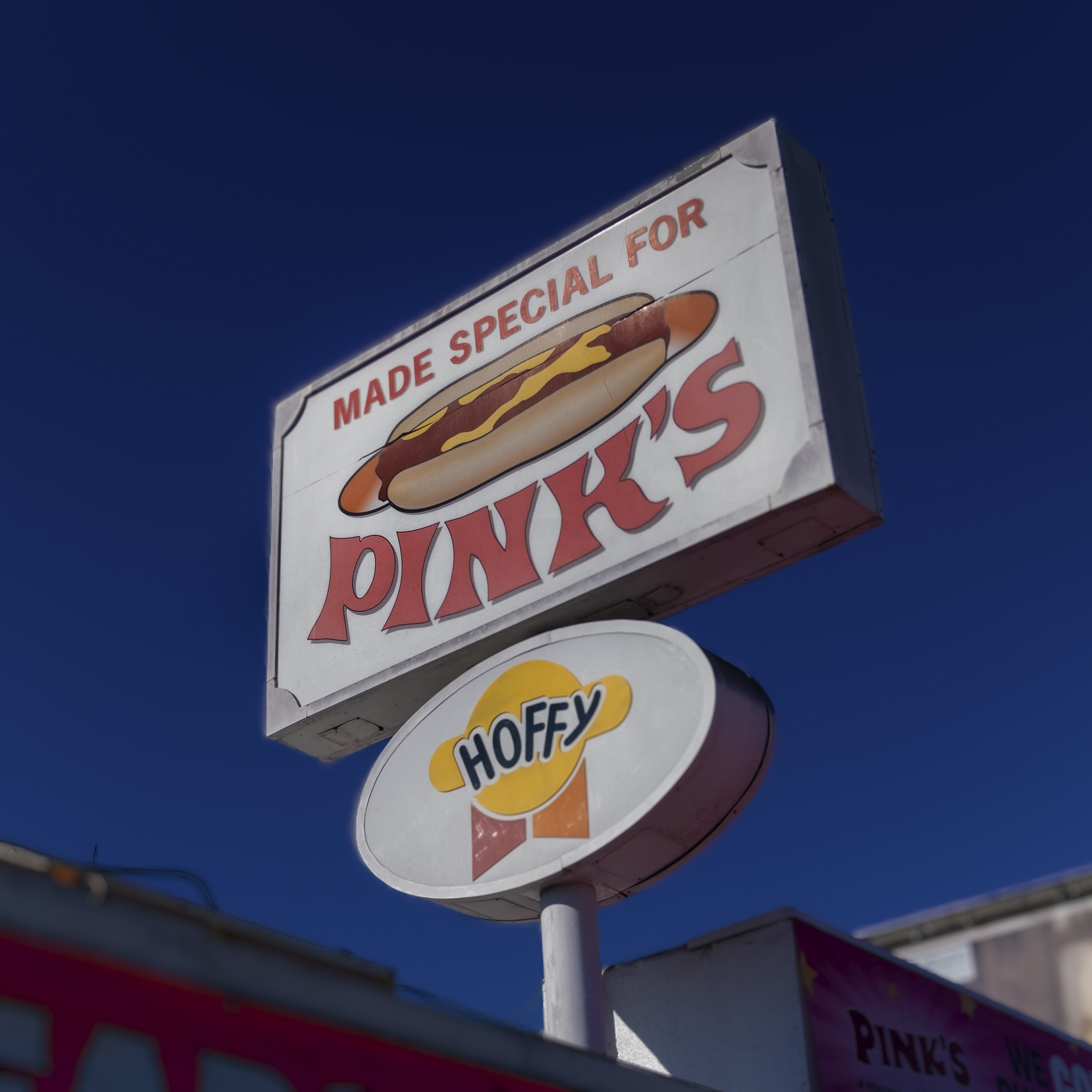
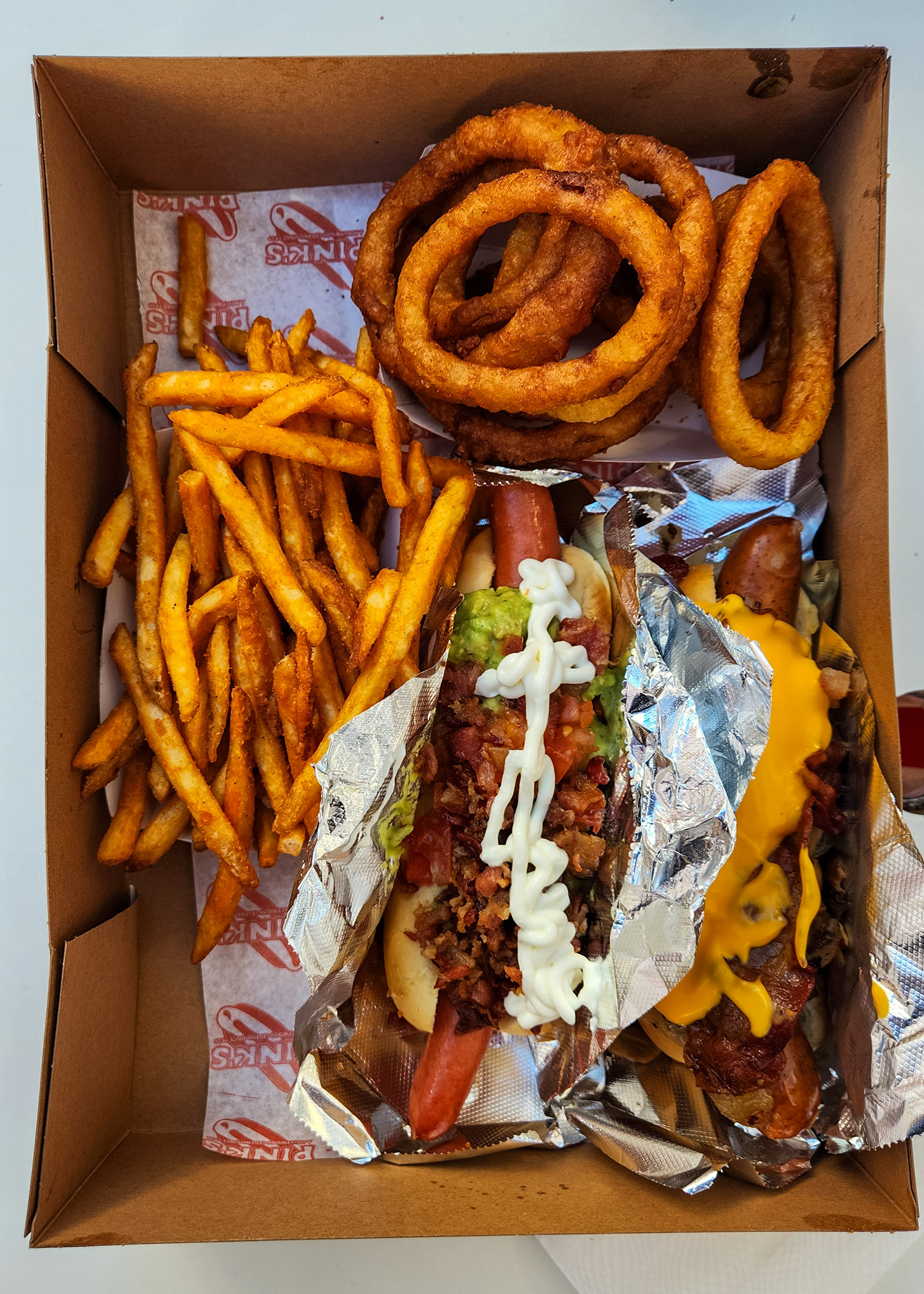
We ended our walk at Sid Grauman’s other great movie palace – his Chinese Theatre, opened in 1927, and showcasing the footprints, handprints and autographs of Hollywood stars since Mary Pickford and Douglas Fairbanks left theirs after the theatre opened. This was followed by a visit to another Hollywood legend for lunch – Pink’s Hot Dogs at La Brea and Melrose. With a nearly endless menu of hot dogs and walls covered with signed celebrity photos, it comes loaded with more hype than chili, cheese, mustard, relish and onions, but it’s worth it, even during lunch rush.
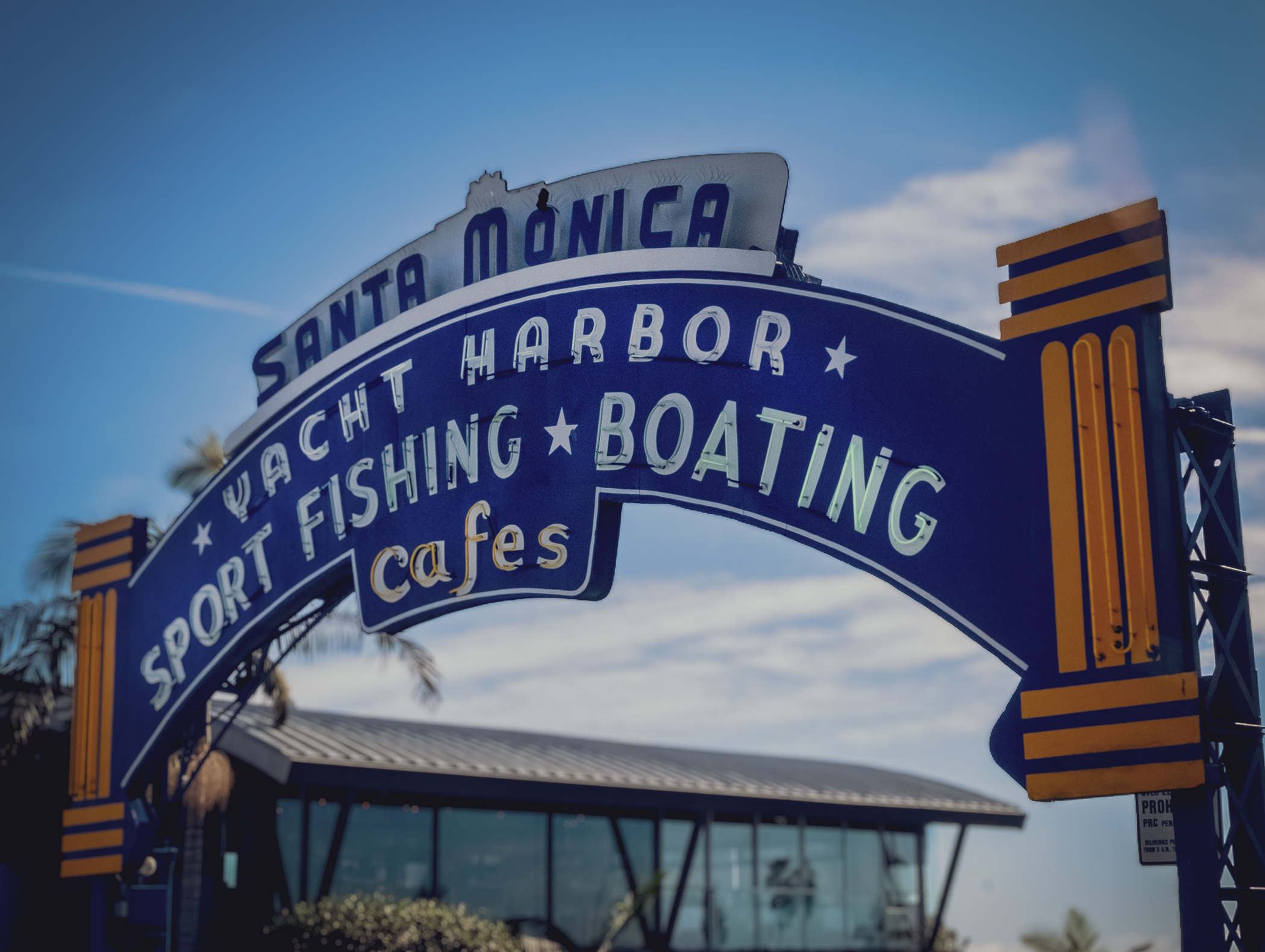
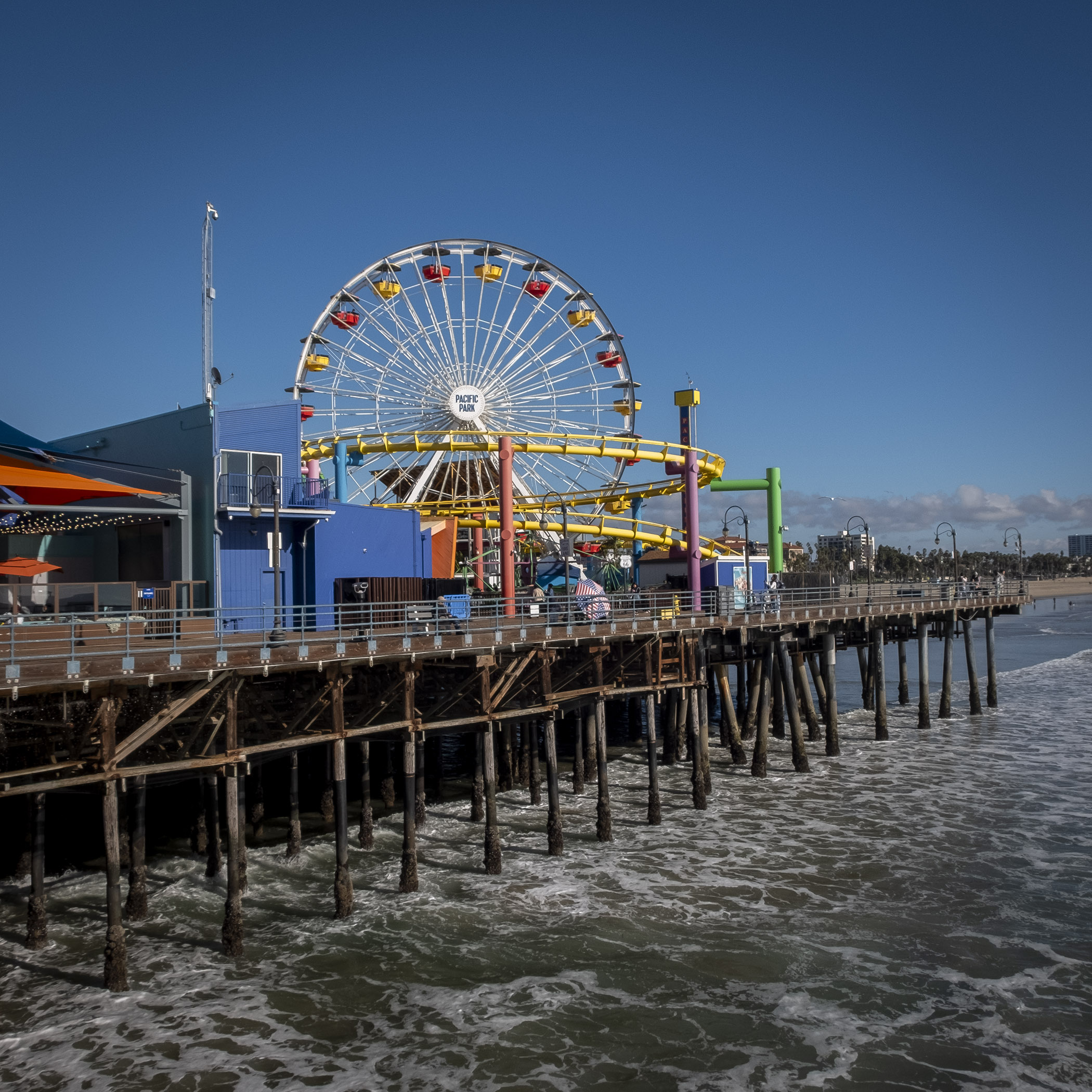

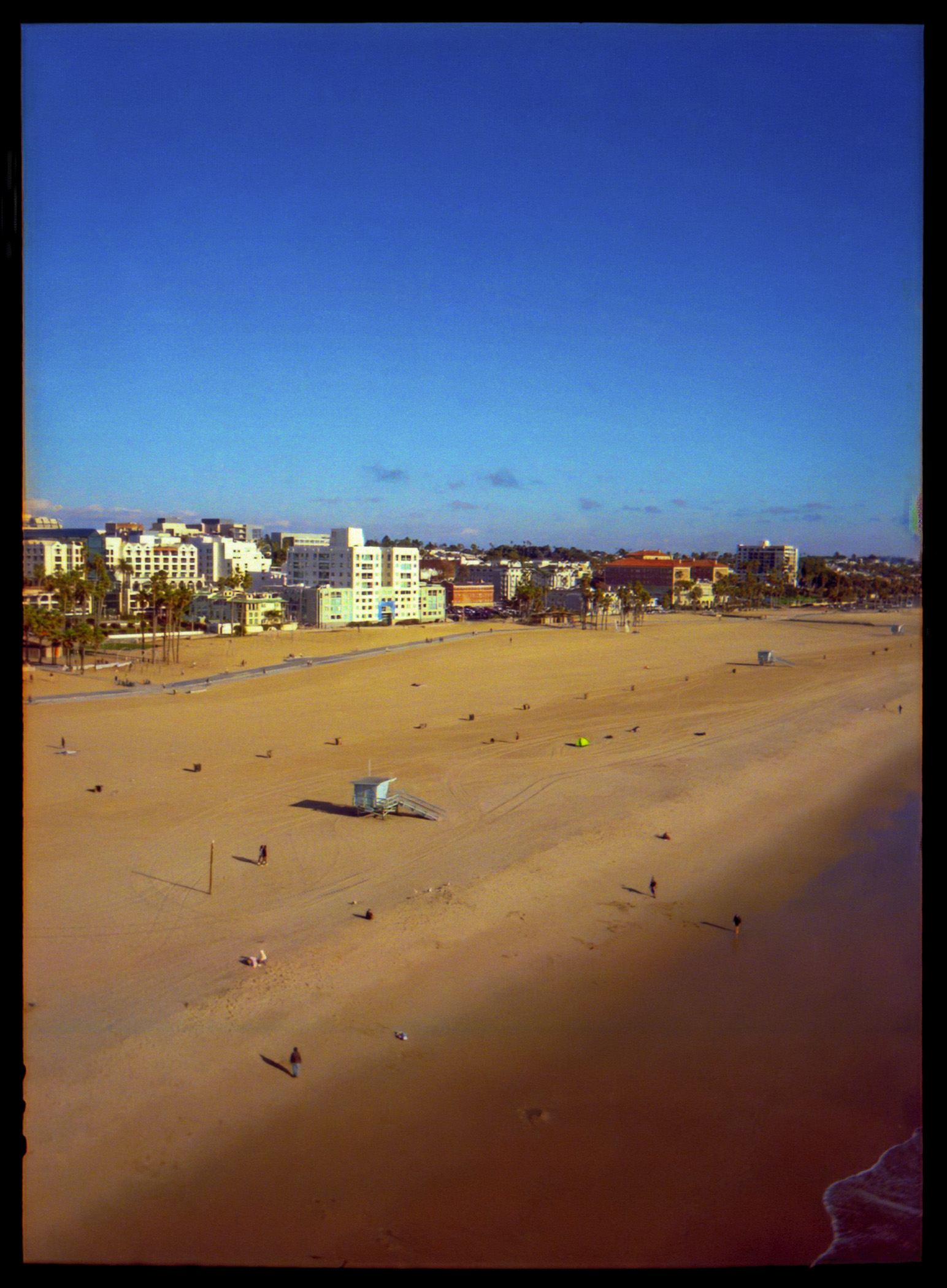
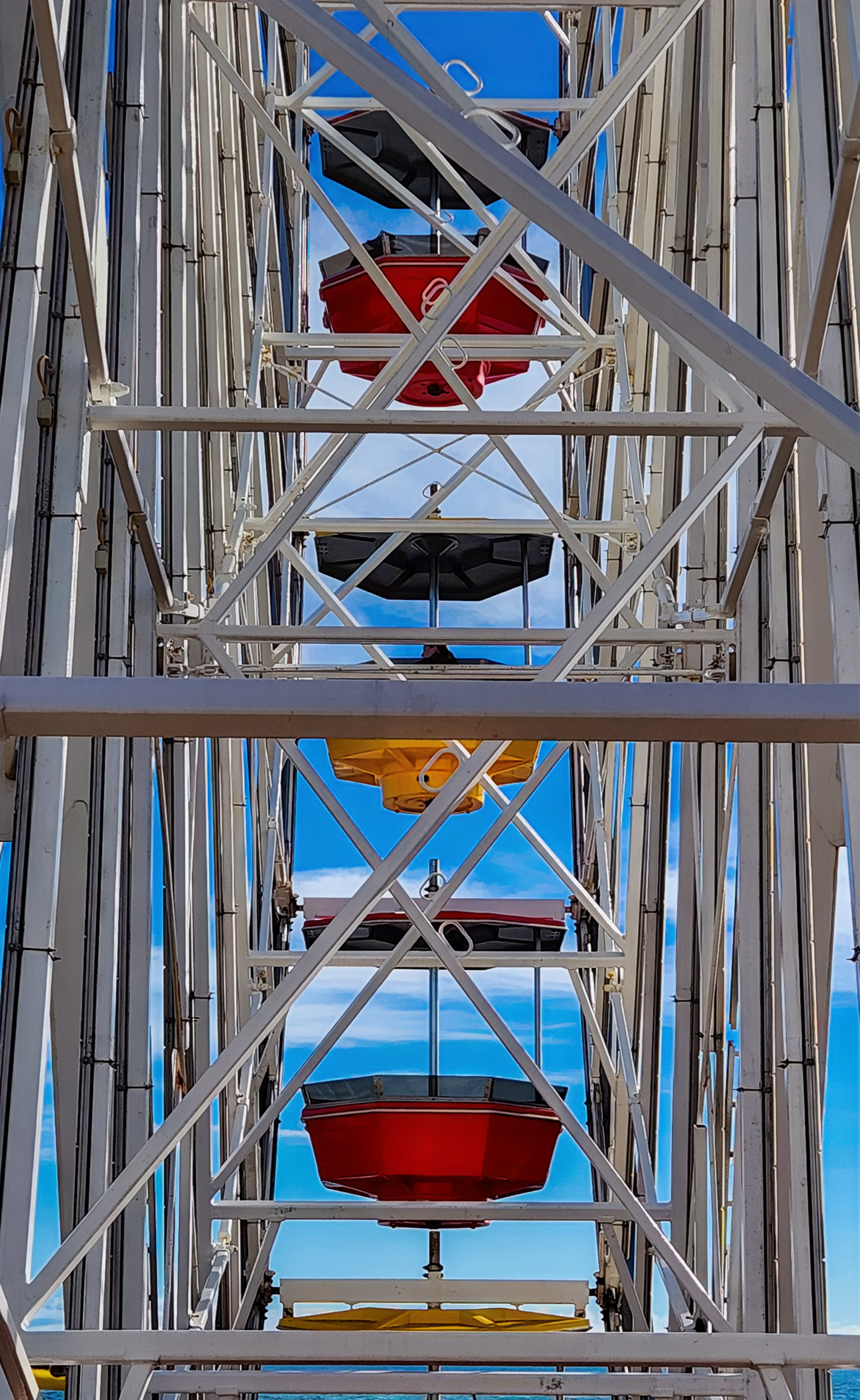
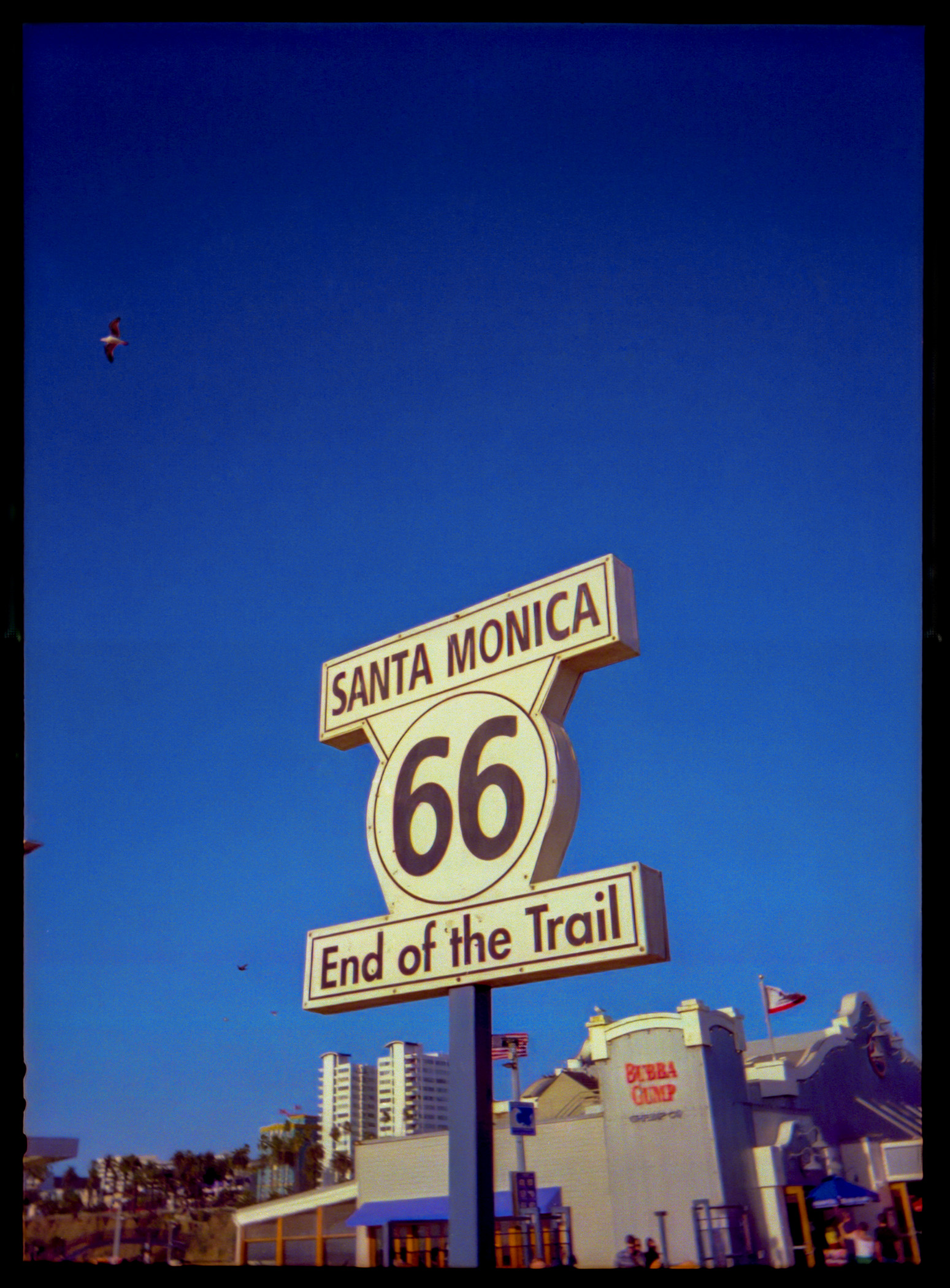
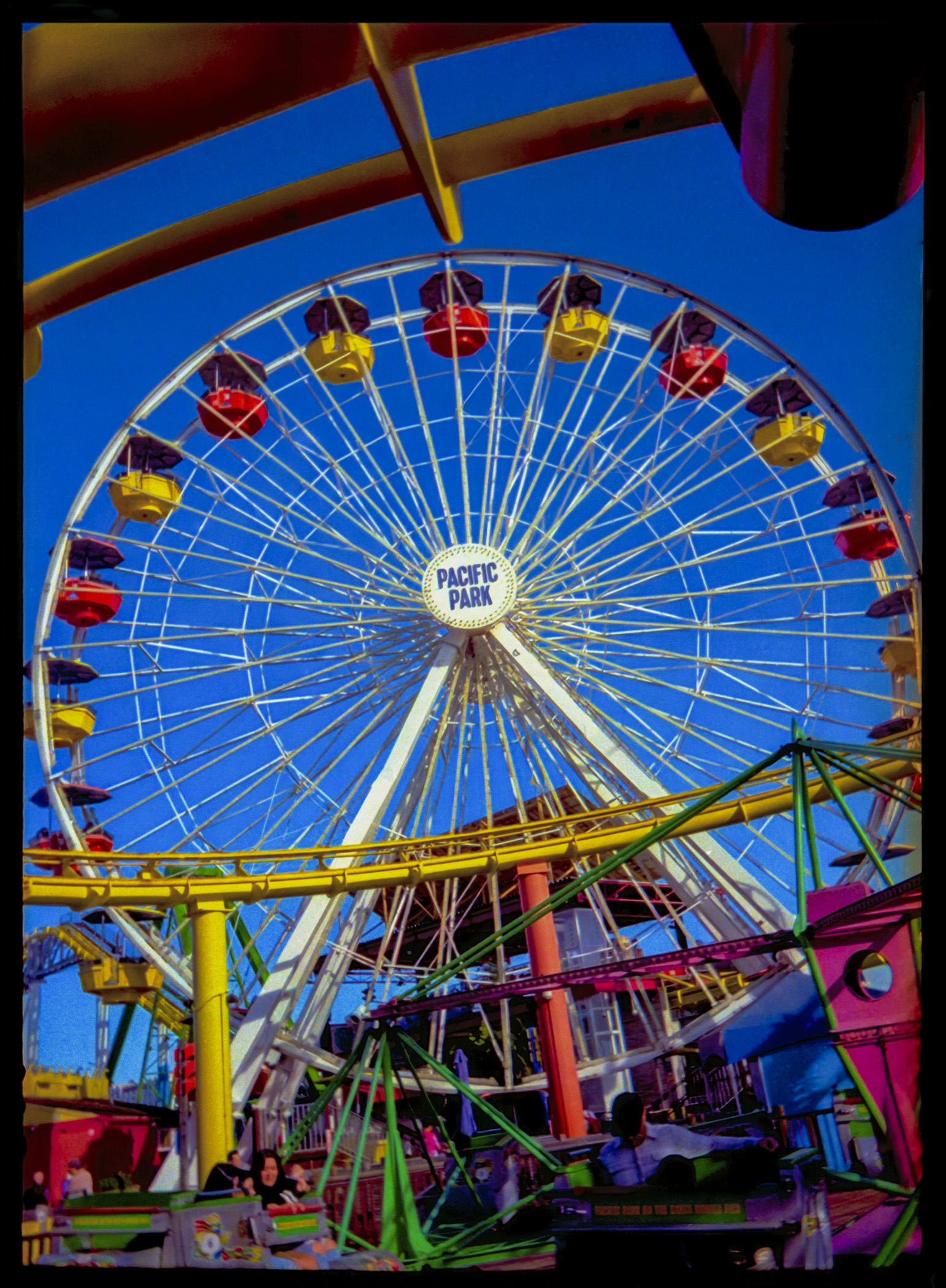
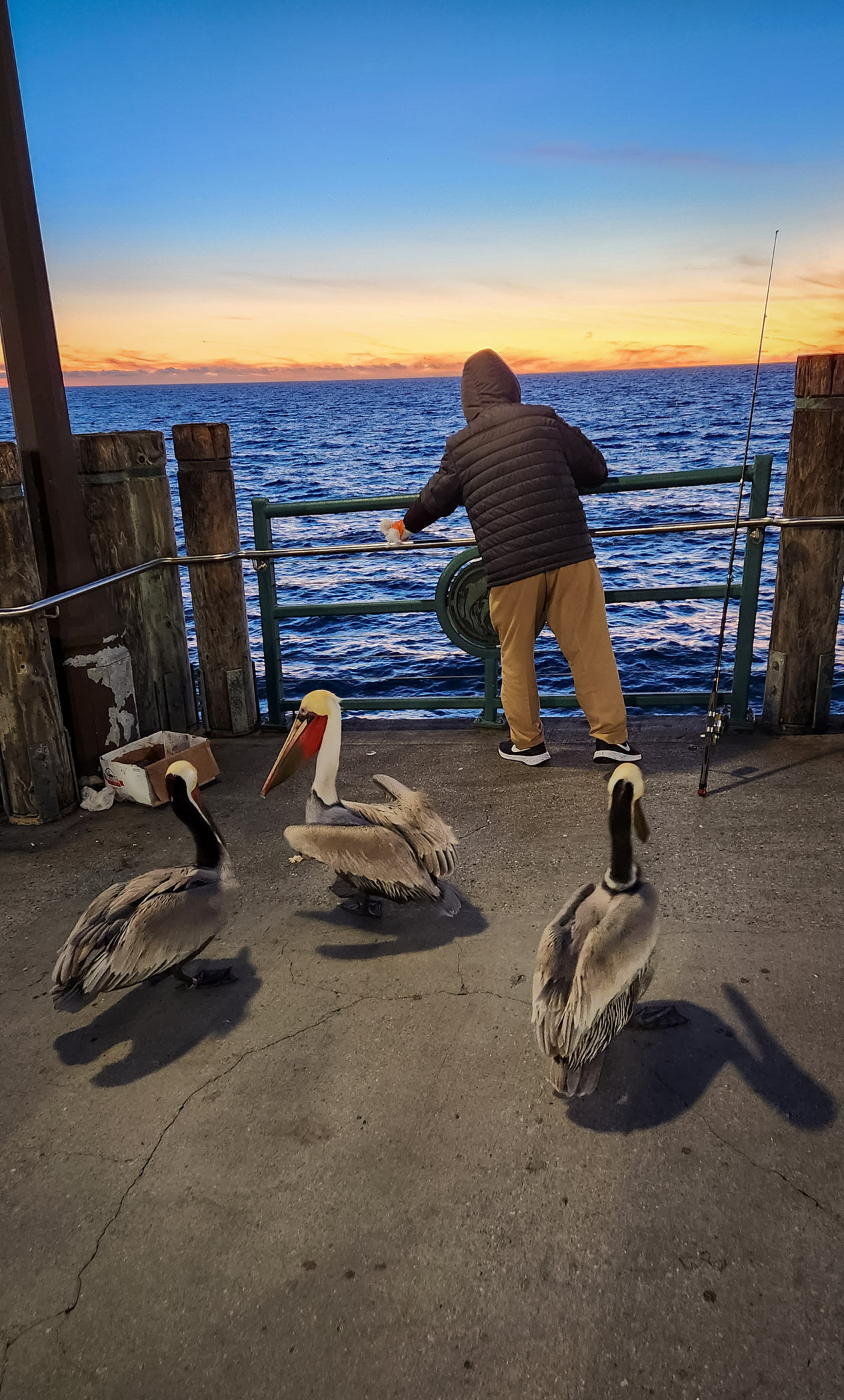
Every visit to Los Angeles should begin or end at the beach. We decided to start at Santa Monica and its famous pier – the liveliest of all of the piers along the city’s beaches. While work had brought me to L.A. every other time I’d visited, this was the first time I’d come as a tourist, on a family outing, and I’d ditched most of my serious camera gear in favour of my phone and a couple of snapshot cameras. (To read more about how I shot this trip click here.) We ended our trip with a headlong rush to the pier at Redondo Beach (at the request of the kid), and got there just in time to watch pelicans pester fishermen for their catch and enjoy one more California sunset.

Photos and story © 2024 Rick McGinnis All Rights Reserved
 AWayWithACamera
[…] I can’t go anywhere without a camera, I came back with enough material for a post on my travel photography blog in addition to the misfit stuff I usually publish here whenever I go somewhere. In other words, […]
LikeLike
[…] were able to copy Izzy’s trip, her first time in the city but definitely not mine. As with my trip to L.A. a month previous with her younger sibling, I was along as tour guide/security/muscle, in charge of […]
LikeLike